
Can Rain Damage an EV Charger?
One of the biggest concerns new electric vehicle owners have is surprisingly simple:
“What happens if it rains while my car is charging?”
Fortunately, the answer is reassuring.
No—rain alone will not damage a properly installed, outdoor-rated EV charger.
Modern Level 2 EV chargers are specifically designed to operate safely in rain, snow, humidity, and other outdoor conditions. Whether your charger is installed in your driveway, on the side of your home, under a carport, or outside your garage, it can safely charge your electric vehicle in virtually all weather conditions.
At Car Charger Specialists, we install outdoor EV charging stations throughout Georgia, where chargers routinely experience heavy rain, thunderstorms, high humidity, and intense summer heat. This guide explains how EV chargers are designed to withstand wet weather and what homeowners should know before installing one.
Schedule Your Free Consultation!
Why Rain Doesn’t Damage Modern EV Chargers
Many people assume electricity and water don’t mix—and under the wrong circumstances, that’s absolutely true.
However, EV charging systems are engineered very differently from a typical extension cord or outdoor appliance.
Modern EV chargers include sophisticated safety systems that prevent electricity from flowing until the charger and vehicle have safely communicated with one another.
Before charging begins:
-
The charger checks for a secure connection.
-
The vehicle verifies communication.
-
Built-in safety systems monitor the connection.
-
Electricity begins flowing only after all safety checks have passed.
This entire process happens automatically every time you plug in your vehicle.
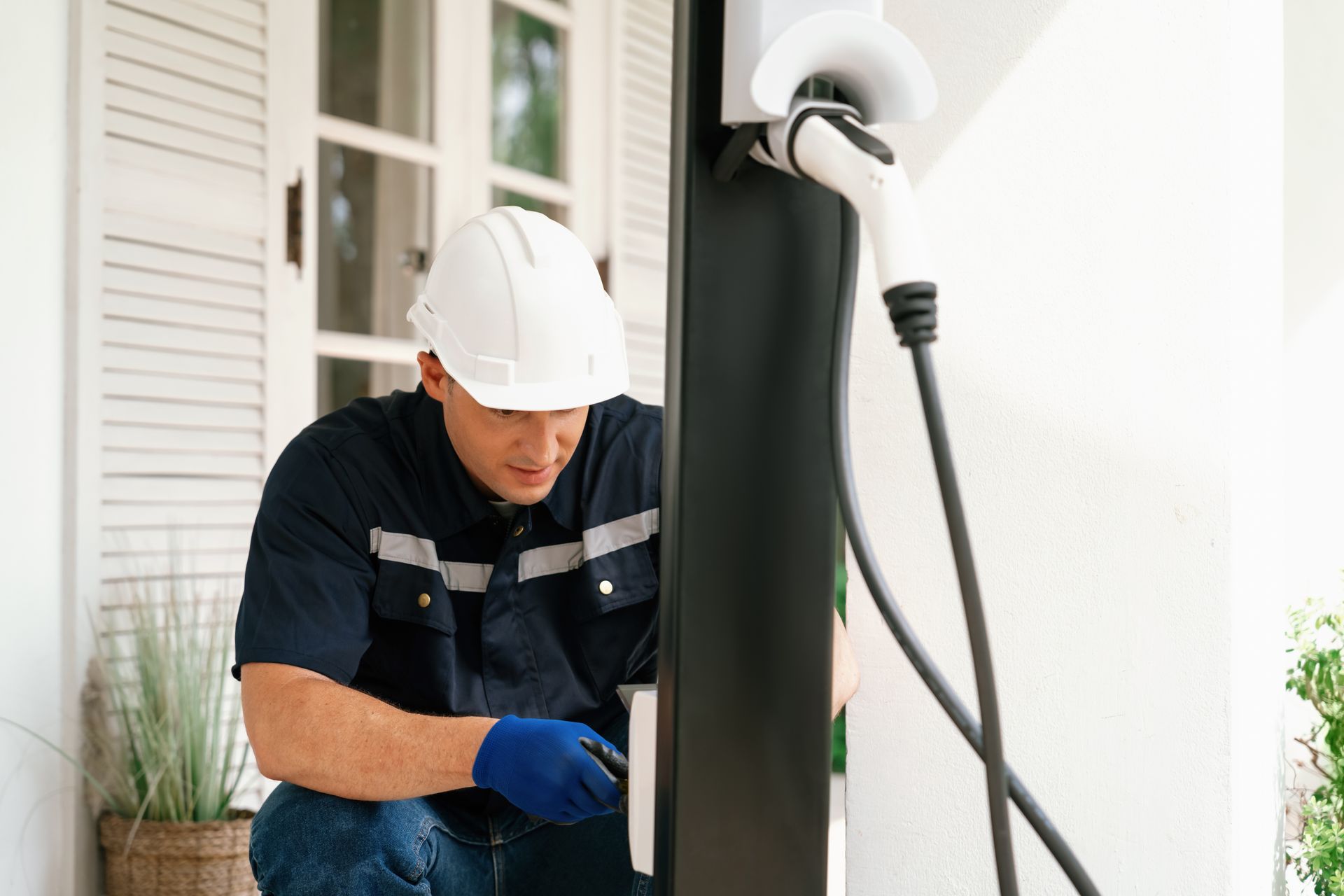
Can You Charge an EV While It’s Raining?
Yes.
Charging during rain is completely normal.
Millions of EV owners around the world charge outdoors every day regardless of weather conditions.
Whether it’s:
-
Light rain
-
Heavy rain
-
Thunderstorms
-
Mist
-
Drizzle
Your EV charging system is designed to operate safely.
The charging connector is engineered so that the electrical contacts are not energized until a proper connection is established between the charger and the vehicle.
Are Outdoor EV Chargers Waterproof?
Most home EV chargers aren’t technically “waterproof.”
Instead, they’re designed to be weather-resistant and are built with enclosures that protect sensitive electrical components from:
-
Rain
-
Snow
-
Ice
-
Dust
-
Humidity
-
UV exposure
Quality chargers carry environmental ratings indicating their ability to withstand outdoor conditions.
When selecting a charger, always choose one specifically approved for outdoor installation.
What Makes EV Chargers Safe?
Modern charging stations contain numerous safety features, including:
Ground Fault Protection
Continuously monitors electrical current and immediately disconnects power if a fault is detected.
Automatic Shutoff
Electricity stops flowing immediately if the charging cable is disconnected or damaged.
Temperature Monitoring
Many chargers monitor internal temperatures and reduce charging output if excessive heat is detected.
Communication Between Vehicle and Charger
Charging only begins after both devices confirm that everything is functioning properly.
Weather-Resistant Construction
Outdoor chargers use sealed housings designed to protect sensitive electrical components from moisture and debris.
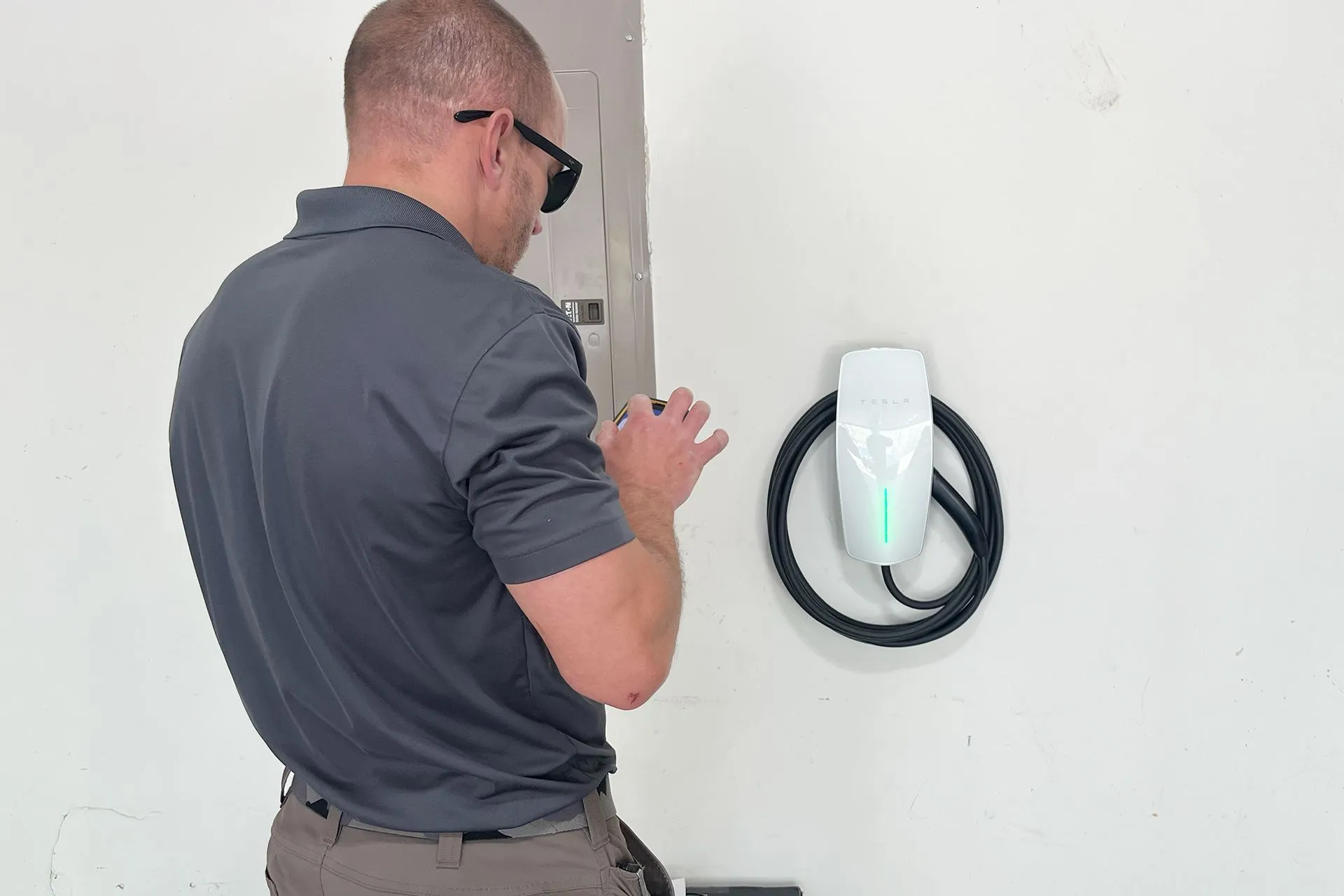
What Happens If the Charging Connector Gets Wet?
Very little.
The charging connector is specifically designed for outdoor use.
If it’s raining when you plug in your vehicle:
-
Water drains away naturally.
-
The connector seals against the vehicle.
-
Safety systems verify the connection before charging begins.
Simply plugging your vehicle in during rain will not damage the charger or your vehicle.
Can Standing Water Damage an EV Charger?
This is a different situation.
Although rain itself isn’t a problem, charging equipment should never be submerged in standing water.
If flooding reaches:
-
The charger enclosure
-
Electrical conduit
-
Junction boxes
-
Electrical panel
The equipment should be inspected by a qualified electrician before being used again.
Floodwater can introduce contaminants that may damage electrical components.
If your home experiences flooding, it’s always best to have the charging equipment professionally evaluated.
What About Lightning?
Another common question is:
Can lightning damage my EV charger?
Like any electronic device connected to your home’s electrical system, an EV charger can potentially be affected by a nearby lightning strike or power surge.
Fortunately, this risk isn’t unique to EV chargers.
Whole-home surge protection and properly grounded electrical systems help reduce the risk of electrical damage from power surges.
If you live in an area prone to frequent lightning, talk with your electrician about installing surge protection as part of your EV charging project.
Does Humidity Affect EV Chargers?
Not significantly.
Quality chargers are designed to operate in humid climates—including places like Georgia, Florida, and the Gulf Coast.
Manufacturers test their equipment under a wide range of environmental conditions to ensure long-term reliability.
However, periodic inspections are still a good idea, particularly in coastal environments where salt air may accelerate corrosion.
Should I Install My Charger Under a Roof?
It’s not required—but it can be beneficial.
Installing your charger:
-
Inside a garage
-
Under a carport
-
Beneath an awning
-
Under a covered porch
may reduce long-term exposure to direct sunlight, hail, and debris.
However, quality outdoor chargers are designed to operate successfully even when fully exposed to normal weather conditions.
Can Rain Short Out My EV Charger?
Not if it’s installed correctly.
Professional installations include:
-
Weather-resistant electrical fittings
-
Proper conduit
-
Correct grounding
-
Outdoor-rated wiring methods
-
Code-compliant installation practices
Improper installation—not rain—is far more likely to create electrical problems.
That’s why professional installation is so important.
How Can I Protect My Outdoor Charger?
Although outdoor chargers require very little maintenance, a few simple habits can extend their lifespan.
We recommend:
-
Keeping the charging connector off the ground
-
Using the cable holder after each charge
-
Inspecting the cable periodically for damage
-
Removing excessive dirt or debris
-
Keeping leaves away from the charger
-
Scheduling an inspection if the equipment is impacted by a vehicle or storm debris
Most homeowners find that their charger requires very little maintenance over many years of use.
What If My Charger Stops Working After a Storm?
If your charger suddenly stops working after severe weather:
- Check your home’s electrical breaker.
- Inspect the charging cable for visible damage.
- Look for warning lights on the charger.
- Restart the charger if recommended by the manufacturer.
- Contact a qualified EV charging professional if problems continue.
Never attempt to repair damaged charging equipment yourself.
Why Professional Installation Matters
A professionally installed EV charger is designed to withstand years of outdoor use.
At Car Charger Specialists, every installation includes:
-
Proper breaker sizing
-
Correct wire sizing
-
Outdoor-rated electrical components
-
NEC-compliant installation
-
Safe grounding
-
Equipment testing
-
Permit compliance (where required)
Proper installation is the best protection against weather-related issues.
Why Homeowners Choose Car Charger Specialists
Unlike general electrical contractors, Car Charger Specialists specializes in EV charging infrastructure.
We provide:
-
Outdoor EV charger installation
-
Residential EV charging
-
Commercial EV charging
-
Electrical panel evaluations
-
Hardwired charger installation
-
NEMA 14-50 outlet installation
-
Electrical upgrades
-
Smart charging solutions
We’ll recommend equipment that’s designed for your environment and install it to provide years of dependable outdoor performance.
30+ Years of experience
Licensed & Trusted by thousands
Frequently Asked Questions
Is it safe to plug in my EV while it’s raining?
Yes. Modern EV charging systems are specifically designed to operate safely in wet weather.
Can rain ruin my charger?
No. Outdoor-rated chargers are engineered to withstand rain and normal weather exposure.
Can I leave my charger outside year-round?
Yes. Most Level 2 chargers are designed for permanent outdoor installation.
Should I unplug my charger during storms?
Normal rain is not a concern. During severe weather involving flooding or significant electrical damage to your home, follow the manufacturer’s recommendations and consult an electrician if necessary.
Does rain slow charging?
No. Rain itself does not affect charging speed. Battery temperature—not rainfall—is a much larger factor in charging performance.
Schedule Your Outdoor EV Charger Installation
Whether your charger will be installed in your garage, on the side of your home, under a carport, or beside your driveway, today’s EV charging equipment is designed to perform safely in the elements.
At Car Charger Specialists, we’ll recommend the right weather-rated charging equipment, evaluate your electrical system, and install your charger according to the latest electrical codes and manufacturer specifications.
From electrical panel evaluations to complete outdoor charging installations, our experienced team is here to help.
Contact Car Charger Specialists today to schedule your EV charger consultation and enjoy safe, reliable charging—rain or shine.
