
Residential EV Charger Installation in North Georgia
Get home EV charger installation in North Georgia. Explore costs, panel capacity, charger options, and permits. Contact Car Charger Specialists for a quote today.


5.0 Stars
832 Reviews
Home EV Charger Installation Services for Your Electric Vehicle
Charging your electric vehicle at home should fit your daily routine—not create another task to manage. Car Charger Specialists provides residential EV charger installation throughout North Georgia, helping homeowners choose suitable equipment, evaluate their electrical systems, and prepare for convenient home charging. Our services include electrical-panel assessment, dedicated-circuit installation, permits and inspections, charger setup, and owner guidance.
Whether you already own a charger or need help selecting one, the starting point is the same: a plan that matches your vehicle, parking location, driving habits, and available electrical capacity.
Schedule your home EV charger installation assessment to discuss your equipment, electrical setup, and installation options.
Home EV Charger Installation Built Around Your Needs
A successful installation starts with understanding how you will use your charger. Your daily mileage, time parked at home, vehicle charging limits, and electrical system all help determine the right setup. A higher-powered charger is not automatically the best choice, particularly when a lower-output model can meet your overnight charging needs without unnecessary electrical upgrades.
Car Charger Specialists evaluates your electrical panel and home layout before recommending an installation approach. We can help you select a Level 2 charger or review equipment you have already purchased.
Your installation plan should answer several practical questions:
- Where will you park while charging?
- Can the charging cable comfortably reach your vehicle?
- Does your electrical system support the proposed charger?
- Will the installation need new wiring, a receptacle, or electrical upgrades?
- Which permits and inspections apply?
- What equipment and work are included in the estimate?
Addressing these details before installation helps establish a clear project scope and identify potential complications early.
Calculate Your EV Savings
What Affects Home EV Charger Installation Cost?
Residential EV charger installation costs depend on more than the charger itself. Equipment, wiring distance, installation conditions, electrical capacity, and local permitting requirements all influence the total. An assessment provides a more useful estimate than a single advertised price that may not account for your home’s electrical setup.
- Charger Equipment and Features: Your equipment selection affects the project budget. Chargers vary in power output, connectivity, energy-monitoring features, and installation requirements. Choose features you will actually use rather than paying for charging capacity your vehicle or electrical system cannot fully support.
- Distance From the Electrical Panel: A charger mounted close to the electrical panel generally needs a shorter wiring route than one installed across the house or in a detached garage. Longer routes can require additional wire, conduit, and installation labor.
- Access and Installation Location: Routing wiring through accessible areas differs from working around finished walls, difficult pathways, or an outdoor parking area. Installation complexity can increase when the project requires a more involved electrical route or additional construction work.
- Electrical Upgrades: Some homes can support a Level 2 charger with a new dedicated circuit. Others may need changes to their electrical system, an approved load-management solution, or a panel or service upgrade. These requirements should be evaluated before the installation scope is finalized.
- Permits and Inspections: Permit requirements and associated fees depend on the local jurisdiction. Ask whether the estimate includes permit applications, inspection coordination, and any electrical upgrades identified during the assessment.
When comparing quotes, focus on the scope of work, not just the bottom-line price. Confirm whether charger hardware, wiring, circuit protection, mounting, permits, testing, and any required upgrades are included.
Ready to understand what your project involves? Request a home EV charger installation quote based on your property and charging needs.
Can Your Electrical Panel Support an EV Charger?
An open breaker space does not, by itself, establish that your home can support an EV charger. The electrician must also evaluate electrical demand and determine whether the existing system has enough capacity for the proposed charging load.
Why a Load Calculation Matters
A load calculation evaluates your home’s electrical demand to help determine whether an EV charger can be added safely. Existing appliances and other electrical loads affect the result, so two homes with the same service rating may have different installation options.
A 200-amp service does not eliminate the need for an assessment, and a 100-amp service does not automatically require replacement. The appropriate solution depends on your home’s actual electrical loads and proposed charging equipment.
Options When Capacity Is Limited
A full service upgrade is not always the only approach. Depending on the assessment and local requirements, possible options include:
- Selecting a lower-amperage Level 2 charger.
- Configuring compatible equipment for a lower charging output.
- Using an approved load-management system.
- Completing a panel or service upgrade when necessary.
Load management can adjust or pause EV charging as other household electrical demands change. This may allow charging within the capacity of an existing electrical system, although suitability must be evaluated for the specific home.
Car Charger Specialists includes electrical-panel assessment in its residential installation service so the charging plan begins with your home’s electrical conditions—not assumptions. Learn more about our electrical experience and installation approach.
Choosing the Right Home EV Charger
The right charger balances charging speed, vehicle compatibility, installation requirements, and everyday convenience.
Level 1 vs. Level 2 Charging
Level 1 charging uses a standard 120-volt outlet and may meet the needs of drivers with shorter daily trips or some plug-in hybrid vehicles. Level 2 charging uses a 240-volt circuit and provides faster charging, making it a practical option for drivers who need to replace more driving range while parked at home.
Actual charging speed varies with the vehicle, charger output, and available electrical capacity. Rather than choosing equipment based only on advertised speed, consider how much energy you need to replace during your usual charging window.
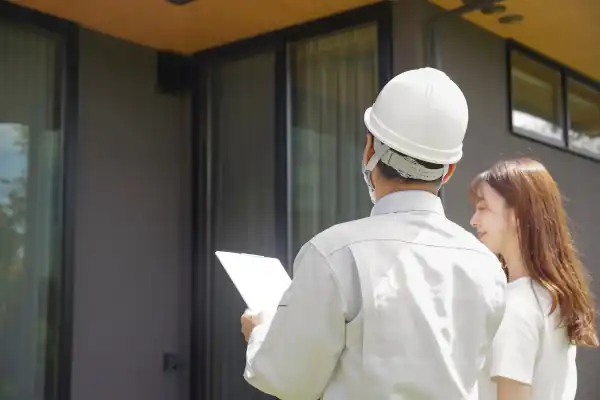
Vehicle and Connector Compatibility
Before buying equipment, confirm that its connector is compatible with your vehicle or that the vehicle manufacturer supports the adapter you intend to use. Also review your vehicle’s AC charging limit; purchasing a more powerful charger does not necessarily make the vehicle charge faster.
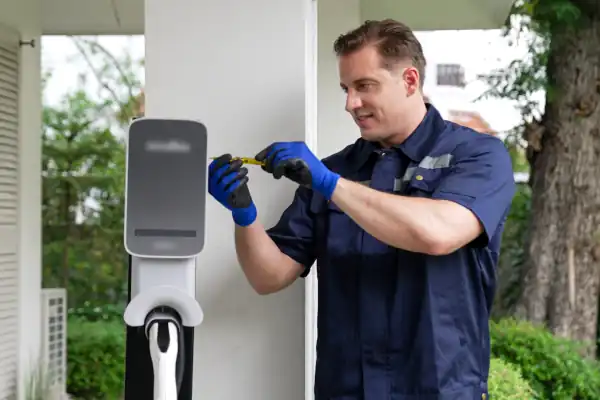
Plug-In or Hardwired Equipment
Home charging equipment may connect through a compatible receptacle or be hardwired into the electrical system. The appropriate connection method depends on the equipment, installation instructions, and applicable electrical requirements. Discuss the choice before purchasing a charger or assuming an existing outlet is suitable.

Smart Features and Charging Schedules
Connected chargers may offer scheduling, energy-use tracking, and remote monitoring. Car Charger Specialists provides smart setup and app integration for compatible equipment, along with guidance on using available features.
If your utility offers time-based electricity pricing, scheduling charging during lower-rate periods may help reduce charging expenses. Savings depend on your actual rate plan and charging schedule.
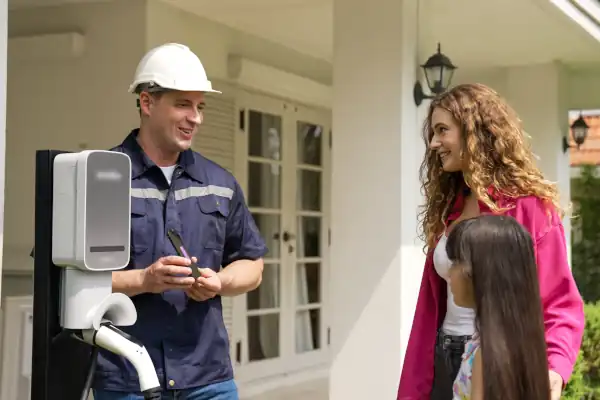
Indoor or Outdoor Placement
Choose equipment suitable for its installation environment. For a driveway or other outdoor location, confirm that the charger is rated for outdoor use. Consider cable reach, mounting position, and how you will access the charger when your vehicle is parked.
Permits and Inspections for Residential EV Charger Installation
Many jurisdictions require permits and inspections for residential electrical work, including EV charger installations. Requirements depend on the property location and the work being performed.
Car Charger Specialists handles permits and inspection as part of its home EV charger installation services. These steps help ensure the installation follows applicable local requirements.
Permitting and installation are related but separate parts of the project. The physical installation may take only a few hours, while permit processing, utility coordination, or inspection availability can affect the overall schedule. Confirm the expected sequence before work begins, including when the charger will be ready for regular use.
What Happens During a Home EV Charger Installation?
Knowing what to expect makes it easier to prepare your home and plan around the work.
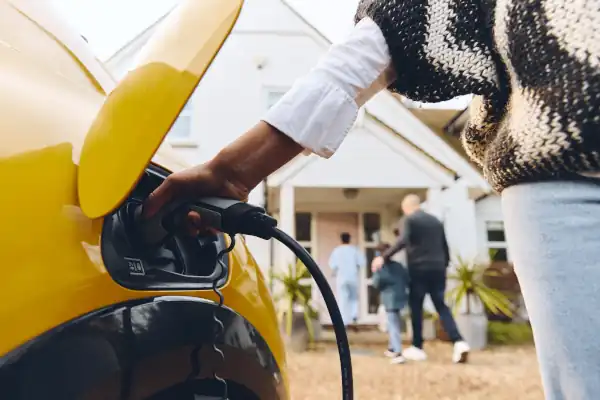
Consultation and Electrical Assessment
The process begins with a review of your electrical panel, parking location, home layout, and charging needs. If you already own a charger, its installation requirements become part of the plan.
You can schedule an installation consultation to get started.
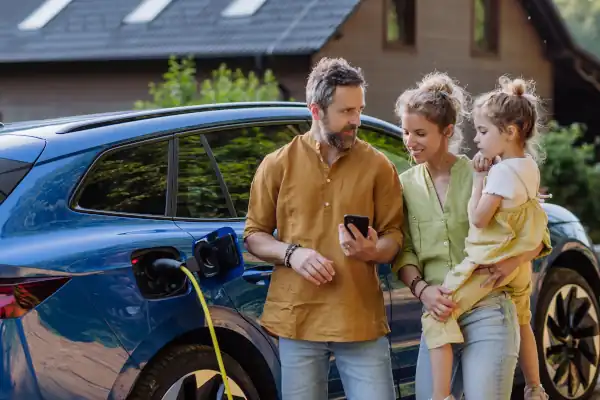
Installation Plan and Estimate
The proposed plan identifies the charger location, wiring route, and electrical work needed. This is the time to clarify equipment compatibility, potential upgrades, permit responsibilities, and what the estimate includes.
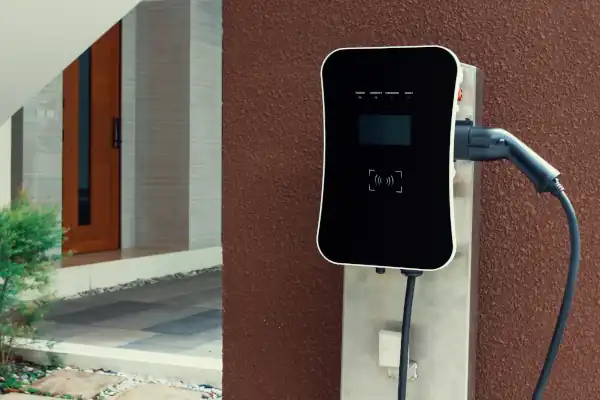
Work-Area Preparation
Before the appointment, clear access to the electrical panel and proposed charger location. Have your charger and installation instructions available if you purchased the equipment separately. Ask whether the planned electrical work will require a temporary power interruption.
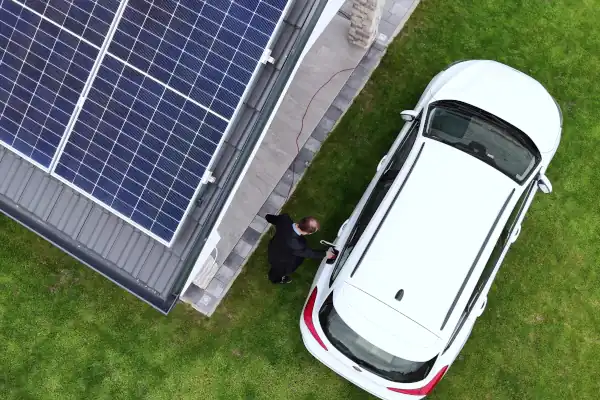
Circuit Installation and Charger Mounting
The installation team completes the planned electrical work, which may include a dedicated 240-volt circuit, wiring, and charger mounting. The exact work depends on your equipment and approved installation plan.
Configuration and Testing
After installation, the team verifies charger operation and sets up supported smart features. Configuration should match the installed electrical circuit and the equipment’s requirements.
Inspection and Owner Walkthrough
The process includes required inspection coordination and guidance on using your charger. Car Charger Specialists provides owner training covering charging operation, scheduling, and available energy-management features.
"Stellar service! Free estimate over a zoom call, scheduled install within two days of invoice approval. Super-skilled electricians showed up exactly on time and finished up in less than 30min. Thrilled to take my first steps into the EV world and got oodles of great advice from this team. Definitely recommended!"
- Marietta Engel
What Customers Are Saying
"Car Charger Specialists did an amazing job installing our Tesla charger. They were responsive, professional, and worked quickly. Everything was explained clearly, the install looks clean, and the charger works perfectly. We’re really happy with the quality of their work and would absolutely recommend them to anyone needing an EV charger installed."
- Jacob C.
"I had a great experience with installation of the plug for my level 2 charger. Communication was prompt and clear, Lee was on time, friendly, and completed the work quickly. They also can work directly with Duke for the NC EV charger installation credit so you don’t have to send in any paperwork yourself."
- Katie Hoagland
How Long Does Installation Take?
Car Charger Specialists lists a typical installation time of approximately one to four hours, depending on project complexity. Treat that as an estimate for the installation work—not a guarantee for every home or the entire permitting and approval process.
Long wiring routes, electrical upgrades, difficult access, and additional coordination can extend the project. Your assessment should establish a realistic schedule for your specific installation.
Residential EV Charger Installation Across North Georgia
Car Charger Specialists serves homeowners throughout North Georgia, including Atlanta, Alpharetta, Buford, Cumming, Decatur, Duluth, Gainesville, Johns Creek, Lawrenceville, Milton, Sandy Springs, Suwanee, and surrounding communities.
Our residential services bring together electrical assessment, charger installation, permitting, testing, and owner guidance to help homeowners move from planning to everyday charging.
Learn more about Car Charger Specialists and the team behind your installation.
Frequently Asked Questions About Home EV Charger Installation
How much does residential EV charger installation cost?
The total depends on the charger, wiring distance, installation access, permit requirements, and any necessary electrical upgrades. Request an itemized estimate that distinguishes equipment costs from installation work and identifies anything excluded from the quoted price.
Do I need to upgrade my electrical panel for a Level 2 charger?
Not necessarily. A load calculation helps determine whether your existing system can support the charger. A lower-output charger or approved load-management solution may be appropriate in some homes; others may require electrical upgrades.
Can Car Charger Specialists install a charger I already purchased?
Yes. Car Charger Specialists works with homeowners who have already purchased their Level 2 charger. Share the model information before installation so its requirements can be reviewed alongside your home’s electrical setup.
Do I need a permit to install a home EV charger?
Many areas require a permit and inspection for the electrical work associated with a home EV charger. Local requirements vary. Car Charger Specialists includes permit and inspection handling in its residential installation services.
Can I install an EV charger outside?
Yes, provided the selected equipment is rated for outdoor use and installed appropriately for the location. Have the installer evaluate the mounting position, electrical route, and cable reach before finalizing the equipment and placement.
Schedule Your Home EV Charger Installation
A reliable home charging setup starts with the right equipment and an electrical plan suited to your property. Car Charger Specialists helps North Georgia homeowners evaluate panel capacity, choose compatible charging equipment, and complete installation with permitting, testing, and owner guidance.
Contact Car Charger Specialists to schedule your residential EV charger installation assessment and request a project-specific quote.
Our Service Area
Car Charger Specialists proudly provides professional commercial and residential EV charger installation throughout North Georgia, serving families and businesses in Alpharetta, Atlanta, Berkeley Lake, Braselton, Brookhaven, Buckhead, Buford, Chamblee, Cumming, Decatur, Duluth, Dunwoody, Flowery Branch, Gainesville, Grayson, Johns Creek, Lawrenceville, Lilburn, Loganville, Milton, Peachtree Corners, Sandy Springs, Smyrna, Snellville, Sugar Hill, Suwanee, and Vinings.
If your property is located in or around these Georgia communities, Car Charger Specialists is ready to help you power the future of transportation with reliable commercial EV charging solutions.
