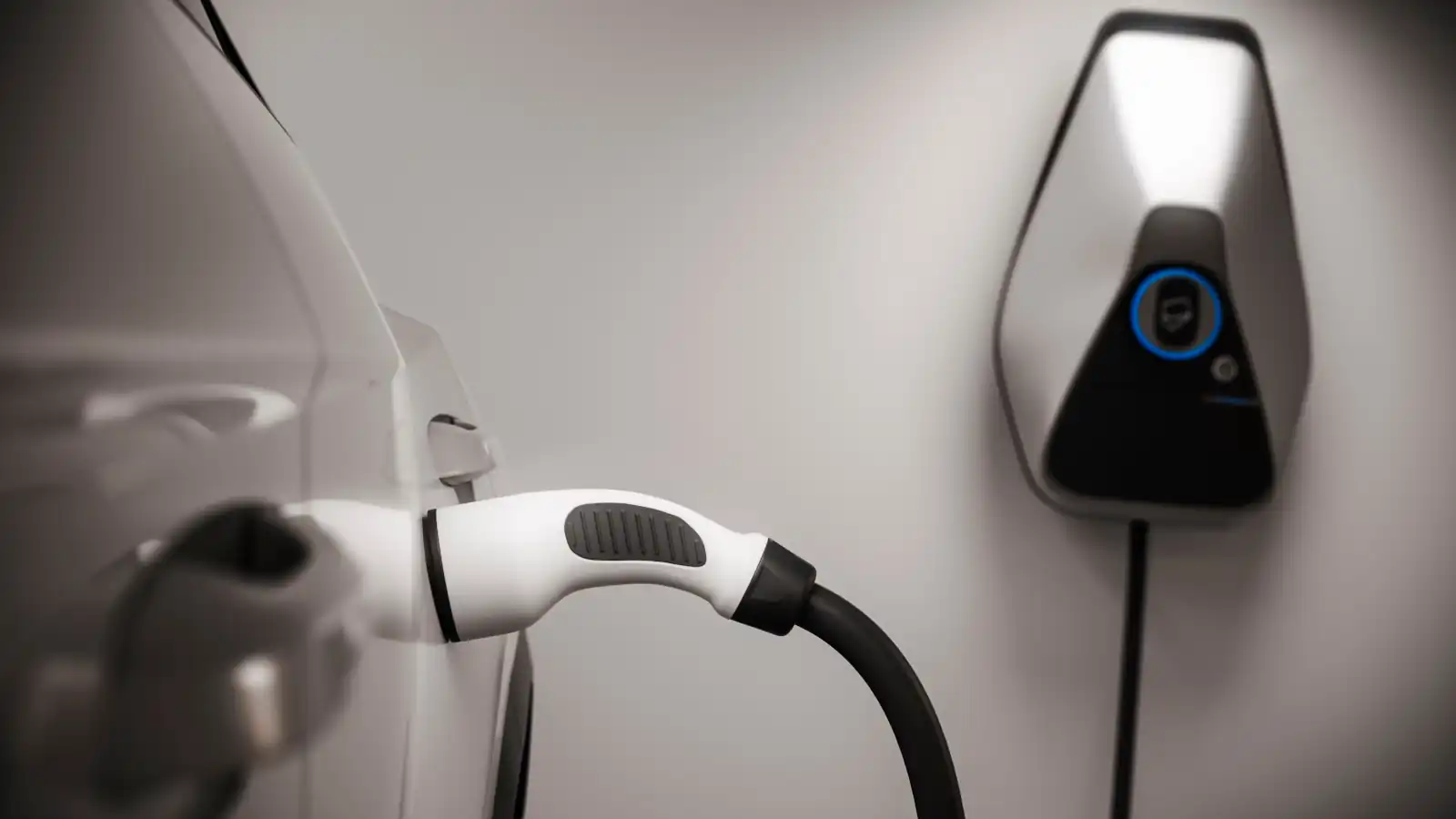
Level 2 EV Charging
Discover how Level 2 charging works, what you need for installation, and why it’s the sweet spot for fast, convenient daily EV charging at home or work.
Schedule Your Free Consultation!
What Is Level 2 Charging?
Level 2 charging delivers 208–240V AC power to your EV and relies on the vehicle’s onboard charger to convert that energy to DC for the battery. Compared with a basic household plug, Level 2 provides a major step up in speed and convenience—often adding 20–45 miles of range per hour, depending on your vehicle’s onboard charger and the circuit amperage. Level 2 is the go-to choice for homeowners, multi-unit properties, and workplaces seeking reliable daily charging without the cost and complexity of DC fast charging.
How Level 2 Charging Works
Level 2 stations use a dedicated 240V circuit—similar to an electric dryer—paired with a hardwired or plug-in EVSE (Electric Vehicle Supply Equipment). The EVSE communicates with your vehicle to deliver safe AC power, while your car’s onboard charger handles the AC-to-DC conversion to charge the battery.
When installed by Car Charger Specialists, the circuit and charger are sized to your vehicle and panel capacity. Common configurations include 32A, 40A, 48A, and 60A outputs, which influence charge speeds and future-proofing for your next EV.
Because most drivers park for hours at home or during the workday, Level 2’s steady, battery-friendly charging profile is ideal for overnight top-ups and routine commuting. It’s fast enough for daily needs without the wear, cost, or infrastructure demands of DC fast charging.
Common Level 2 Use Cases
- Single-family homes: Install a 240V charger in a garage or driveway for dependable overnight charging.
- Workplaces: Offer Level 2 charging to employees for all-day top-ups and sustainability programs.
- Multi-unit properties: Shared or assigned Level 2 ports with load management to serve multiple residents efficiently.
Level 2 Equipment, Power, and Compatibility
Level 2 chargers are available as smart or standard units. Smart models provide Wi‑Fi or cellular connectivity for scheduling, energy monitoring, user access control, and utility demand-response programs—features that help lower costs and manage multiple drivers.
Power output depends on the circuit and the EV’s onboard charger. For example, a 40A circuit typically supports a 32A charger, while a 60A circuit can support a 48A charger. Your EV may cap intake based on its onboard charger rating, so right-sizing is key.
Most modern EVs in North America use the J1772 or NACS connector for Level 2. With the right adapter where needed, Level 2 charging works seamlessly across brands. Car Charger Specialists ensures the correct connector and code-compliant installation for your setup.
Is Level 2 Right for You?
For daily driving, Level 2 hits the balance of speed, cost, and convenience.
| Level 1 | Level 2 |
|---|---|
| 120V household outlet | 208–240V dedicated circuit |
| 3–5 miles of range per hour | 20–45 miles of range per hour |
| Low cost, very slow | Moderate cost, significantly faster |
| Good for occasional top-ups | Ideal for daily home and workplace charging |
| Minimal installation | Professional installation recommended |
For most drivers, Level 2 delivers the best everyday experience—quick overnight charging, lower operating costs, and broad vehicle compatibility. When you need rapid range on a trip, public DC fast charging can complement your Level 2 setup. Car Charger Specialists can assess your electrical panel, recommend the right amperage, and install a safe, code-compliant system that fits your driving habits.
Is Level 2 Charging Good for Your Battery?
Level 2 charging is considered battery-friendly for daily use. EVs manage charging with thermal controls and intelligent battery management systems, which regulate charge rates and temperature to protect cell health during routine Level 2 sessions.
Because Level 2 delivers moderate power through AC, it generally places less stress on the pack than repeated high-power fast charging. For most drivers, relying on Level 2 at home or work strikes the right balance between convenience, speed, and long-term battery longevity.
30+ Years of experience
Licensed & Trusted by thousands
Level 2 Charging FAQs
How fast is Level 2 charging?
Level 2 typically adds about 15–40 miles of range per hour, depending on the charger amperage (commonly 16–60A), circuit capacity, and your vehicle’s onboard charger rating.
Is Level 2 AC or DC?
Level 2 charging uses AC electricity. Your car’s onboard charger converts that AC into DC to store energy in the battery.
What circuit do I need for Level 2?
Most Level 2 units require a dedicated 240V circuit, typically 30–60 amps. The correct breaker and wire gauge should be selected by a licensed electrician based on the charger and local code.
Can every EV use Level 2?
Yes. Nearly all modern EVs support Level 2 via the J1772 connector (Tesla vehicles use an adapter). Actual charging speed is limited by the car’s onboard charger rating.
How much does Level 2 cost to use?
Charging at home with Level 2 is usually cheaper per kWh than public fast charging. Your cost depends on local electricity rates, utility time-of-use plans, and any smart charger features that schedule off-peak charging.
Level 2 Charging: The Bottom Line
Level 2 is the sweet spot for daily EV charging—fast enough for overnight top-ups, gentle on the battery, and cost-effective at home. With the right 240V circuit and a properly sized unit, most drivers can recover a full day’s mileage in a few hours.
Choosing the correct charger amperage, cable length, and smart features ensures a seamless routine. Car Charger Specialists can evaluate your panel capacity, recommend equipment, and install a safe, code-compliant Level 2 setup tailored to your driving needs.