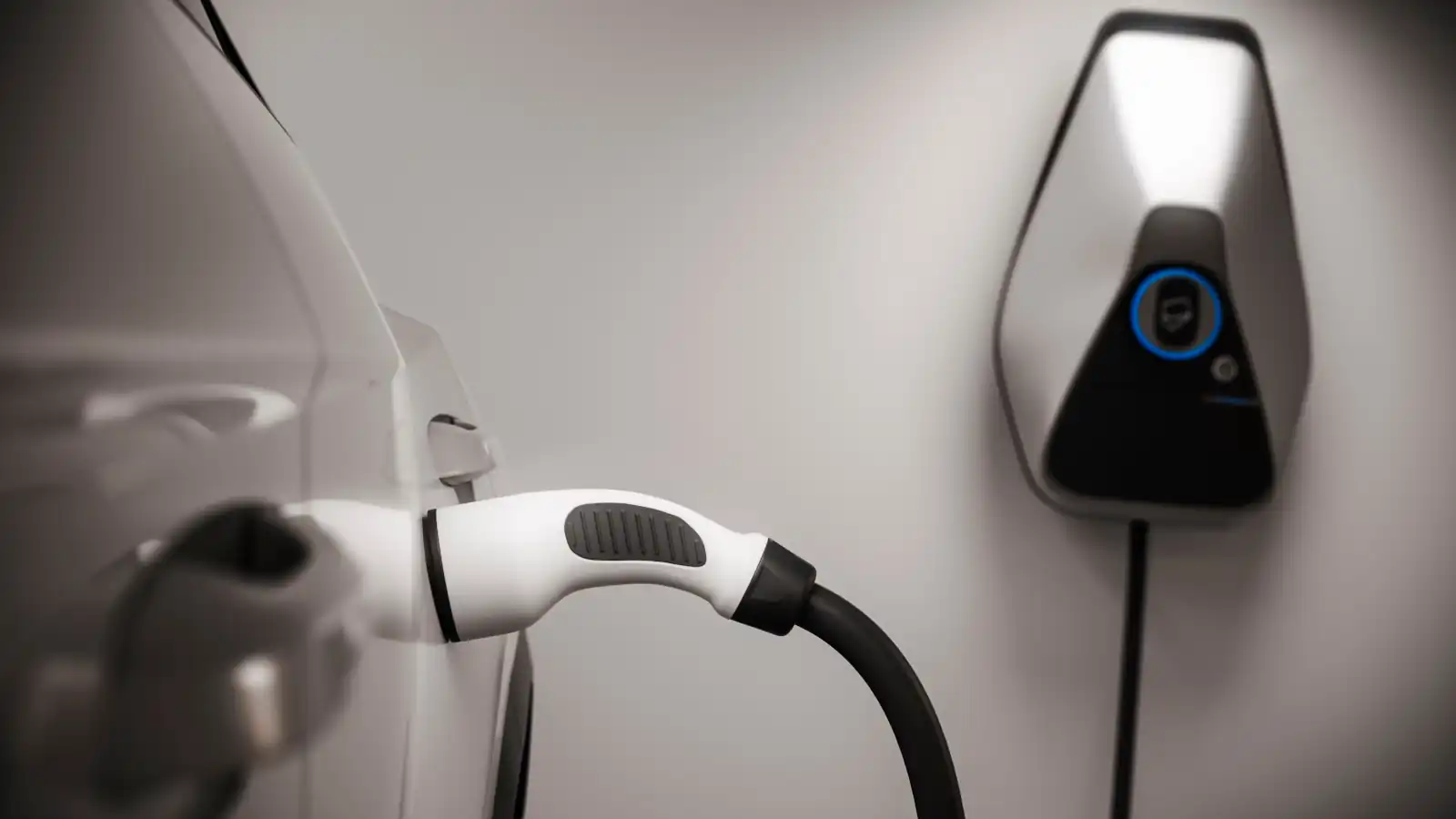
CCS vs. NACS: EV Charging Standards Explained
Learn how the CCS and NACS connectors differ, what that means for charging speed and compatibility, and which standard is the smarter fit for your EV and future-proof home or business setup.
Schedule Your Free Consultation!
What Is the Difference Between CCS and NACS?
CCS (Combined Charging System) and NACS (North American Charging Standard) are the two primary DC fast-charging connector types in North America, and they also support AC charging through the same vehicle inlet. CCS combines a J1772-style AC plug with two additional DC pins, enabling both Level 2 AC and DC fast charging through one port. NACS uses a slimmer, integrated connector originally developed by Tesla that carries AC and DC through a compact design. While both deliver high-power DC, their plug shapes, pin layouts, and communication protocols differ, impacting which stations your EV can use without an adapter.
How CCS and NACS Handle Everyday AC Charging
For routine Level 1 and Level 2 charging, both CCS-equipped and NACS-equipped vehicles accept AC power through the same vehicle inlet used for fast charging.
When you plug into an AC station, the vehicle manages charging via its onboard charger, regardless of whether the inlet is CCS or NACS. The difference you’ll notice is mainly the connector shape and cable ergonomics at the wall or pedestal.
Because most EV owners top up at home or work, reliable Level 2 AC charging is essential. With professionally installed equipment, either standard provides convenient overnight charging; choosing CCS or NACS primarily affects public network compatibility and future accessory needs.
Common Home AC Considerations
- Connector choice: Select a wall unit with the plug your vehicle uses today and verify adapter support for future vehicles.
- Power rating: Opt for a higher-amperage Level 2 unit to shorten charge times across CCS and NACS vehicles.
- Home charging: Car Charger Specialists can install NACS or J1772/CCS-compatible EVSE and advise on adapters for mixed households.
How CCS and NACS Approach DC Fast Charging
DC fast charging delivers high-power energy directly to the battery using distinct connector standards—CCS or NACS—and bypasses the vehicle’s onboard AC charger.
CCS has been widely deployed across many public networks, while NACS has rapidly expanded with major automakers adopting it and opening access to extensive high-power sites. Power levels depend on the station and vehicle, not just the plug, but availability and reliability vary by network and region.
For road trips, charger density and uptime at public charging stations matter most. Adapters can bridge some gaps, but native plug support typically offers the quickest, most seamless sessions.
CCS vs. NACS: Which Should You Choose?
There isn’t a one-size-fits-all winner—your best option depends on your vehicle, local network coverage, and future plans.
| CCS | NACS |
|---|---|
| Broad multi-brand support and legacy public network coverage | Expanding access with a compact connector and growing automaker adoption |
| High-power DC at many highway sites; performance varies by operator | High-power DC on large networks with strong reliability in many regions |
| Common on current non-Tesla models | Rapidly becoming standard on upcoming North American models |
| Adapters increasingly available for cross-network use | Adapters and native ports enable charging on CCS stations |
| Well-established service ecosystem | Streamlined plug design and cable ergonomics |
For daily charging, installing a robust Level 2 solution matched to your vehicle’s inlet is the smartest move. For road trips and quick top-ups, choose the standard with the strongest public coverage where you drive. Car Charger Specialists can evaluate your routes, advise on adapters, and design a setup that’s ready for today and tomorrow.
CCS vs NACS: What’s the Real Difference?
CCS (Combined Charging System) and NACS (North American Charging Standard) are both fast‑charging connector standards, but they differ in design, availability, and ecosystem support. CCS has been widely used across many non‑Tesla brands, while NACS originated with Tesla and is now being adopted by most major automakers due to its compact connector and extensive North American network.
Functionally, either standard can deliver high‑power DC charging, and both support AC charging via the same port on the vehicle. The key considerations are plug shape, network compatibility, available adapters, and futureproofing your home and fleet setups. Car Charger Specialists helps drivers and businesses choose hardware and wiring that accommodate CCS today while preparing for NACS adoption and multi‑standard flexibility tomorrow.
30+ Years of experience
Licensed & Trusted by thousands
CCS vs NACS FAQs
Which connector should I choose: CCS or NACS?
Choose the connector that aligns with your vehicle and local infrastructure. Today, CCS remains common across many networks, while NACS is rapidly expanding as automakers and charging providers adopt it. If you want maximum flexibility, consider equipment and adapters that support both.
Can a CCS vehicle use a NACS station (and vice versa)?
With the right certified adapter and station support, cross‑compatibility is possible. Availability varies by vehicle, firmware, and charging network policies, so verify adapter ratings, charging speeds, and warranty implications before relying on them.
Does NACS charge faster than CCS?
Peak charging speed depends more on the vehicle’s battery and the charger’s power output than the connector shape. Both CCS and NACS support high‑power DC fast charging; real‑world results are influenced by battery temperature, state of charge, and station capability.
Will public charging sites switch to NACS?
Many North American networks have announced plans to add NACS plugs alongside CCS, not eliminate CCS. Expect a mixed environment for several years, with dual‑cable or adapter‑friendly solutions becoming common during the transition.
How do I future‑proof my home or business installation?
Select chargers with swappable cables or dual‑standard options, ensure ample circuit capacity, and plan conduit runs that make cable upgrades easy. Car Charger Specialists can design installations that support CCS now and integrate NACS as the market standardizes.
CCS vs NACS: The Bottom Line
Both connectors can deliver fast, reliable charging; your best choice depends on your vehicle, local networks, and long‑term plans. With industry momentum behind NACS and a large installed base of CCS, a dual‑compatible approach offers the most flexibility for households and fleets.
Car Charger Specialists helps you navigate adapter options, dual‑cable hardware, and site design so you can charge confidently across evolving standards—at home, at work, and on the road.