
EV Charging in Cold Weather: What Every EV Owner Should Know
One of the most common questions people ask before buying an electric vehicle is:
“What happens when it gets cold?”
You’ve probably heard stories about reduced driving range or slower charging during the winter months. While there’s some truth to those concerns, modern electric vehicles are designed to operate safely and reliably in cold weather.
Understanding how low temperatures affect your battery—and how a home Level 2 charger can help—will ensure you get the most out of your EV all winter long.
At Car Charger Specialists, we help homeowners install reliable home charging systems designed to perform year-round. In this guide, we’ll explain how cold weather affects EV charging, why it happens, and what you can do to maximize performance.
Schedule Your Free Consultation!
Does Cold Weather Affect EV Charging?
Yes—but probably not as much as you think.
Cold temperatures can temporarily affect:
-
Charging speed
-
Driving range
-
Battery efficiency
-
Energy consumption
The good news is that these effects are temporary and expected. Once the battery reaches its optimal operating temperature, charging performance improves.
Most EV owners quickly adapt to winter charging by making a few simple adjustments to their routine.
Why Does Cold Weather Affect EV Batteries?
Like all rechargeable lithium-ion batteries, EV batteries perform best within a specific temperature range.
When temperatures drop significantly:
-
Chemical reactions inside the battery slow down.
-
The battery becomes less efficient.
-
The vehicle uses energy to warm the battery.
-
Charging rates may be temporarily reduced.
This is a normal part of battery management and helps protect the battery from unnecessary wear.
Will My EV Lose Driving Range?
Yes—but the amount varies.
Cold weather affects more than just the battery.
Your vehicle also uses electricity to power:
-
Cabin heating
-
Heated seats
-
Heated steering wheel
-
Defrosters
-
Window defoggers
-
Battery heating systems
All of these systems draw energy from the battery.
Depending on:
-
Outside temperature
-
Driving speed
-
Wind
-
Terrain
-
Vehicle model
you may notice reduced driving range during colder months.
Fortunately, most daily commuters still have more than enough range for normal driving.
Does Charging Take Longer in Cold Weather?
Sometimes.
When the battery is extremely cold, the vehicle may temporarily reduce charging speed while warming the battery to an optimal temperature.
This protects battery health and improves long-term performance.
Once the battery reaches the proper operating temperature, charging speeds typically increase.
For homeowners charging overnight, this process usually happens automatically without affecting daily convenience.
Why Home Charging Is Especially Valuable During Winter
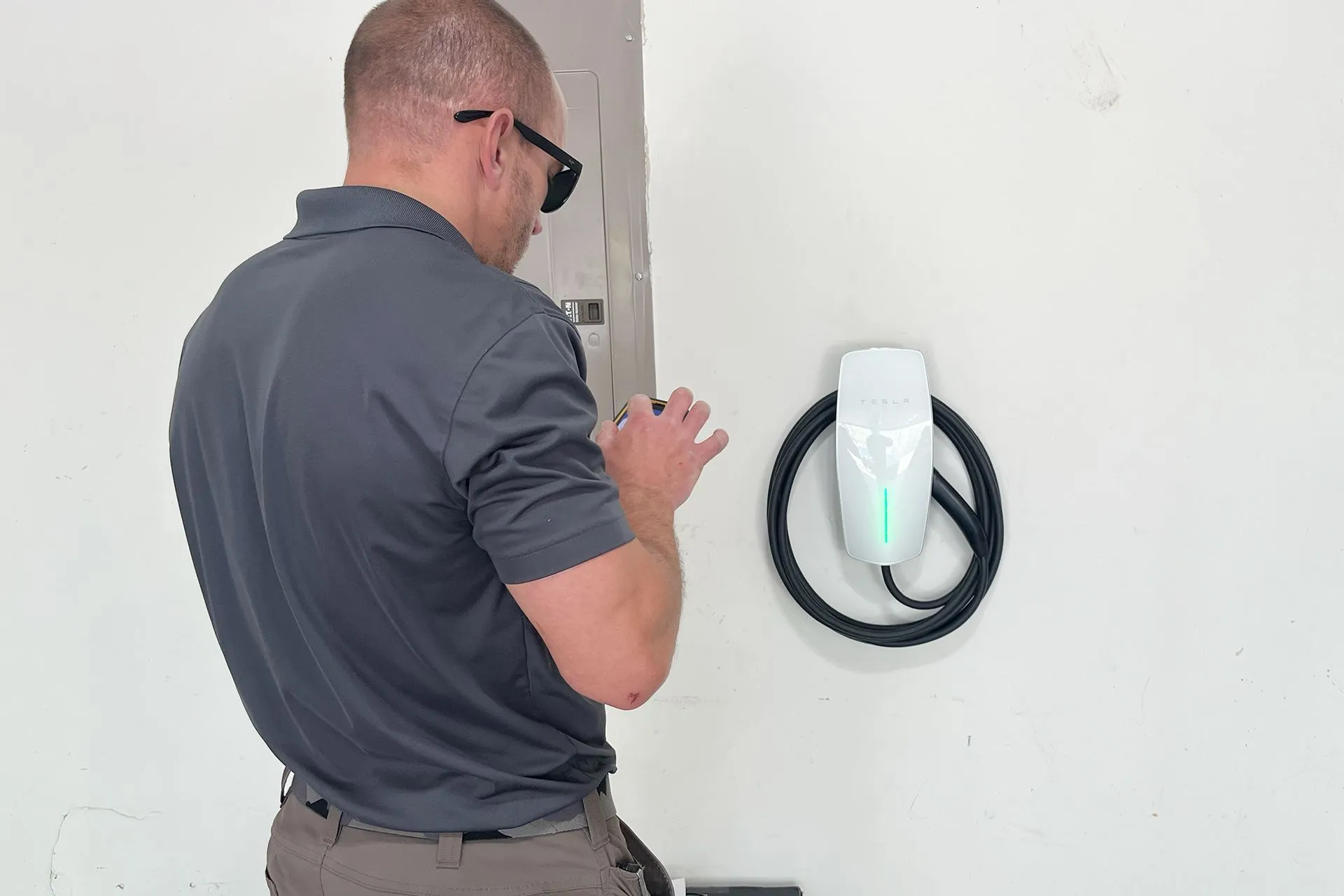
One of the biggest advantages of owning a Level 2 home charger becomes obvious during cold weather.
Instead of driving to a public charging station in freezing temperatures, you can simply plug in at home.
Benefits include:
- Overnight charging
- Warm battery in the morning
- Greater convenience
- Reduced charging anxiety
- More consistent daily range
Many EV owners say winter is when they appreciate home charging the most.
Can I Charge My EV Outside During Winter?
Absolutely.
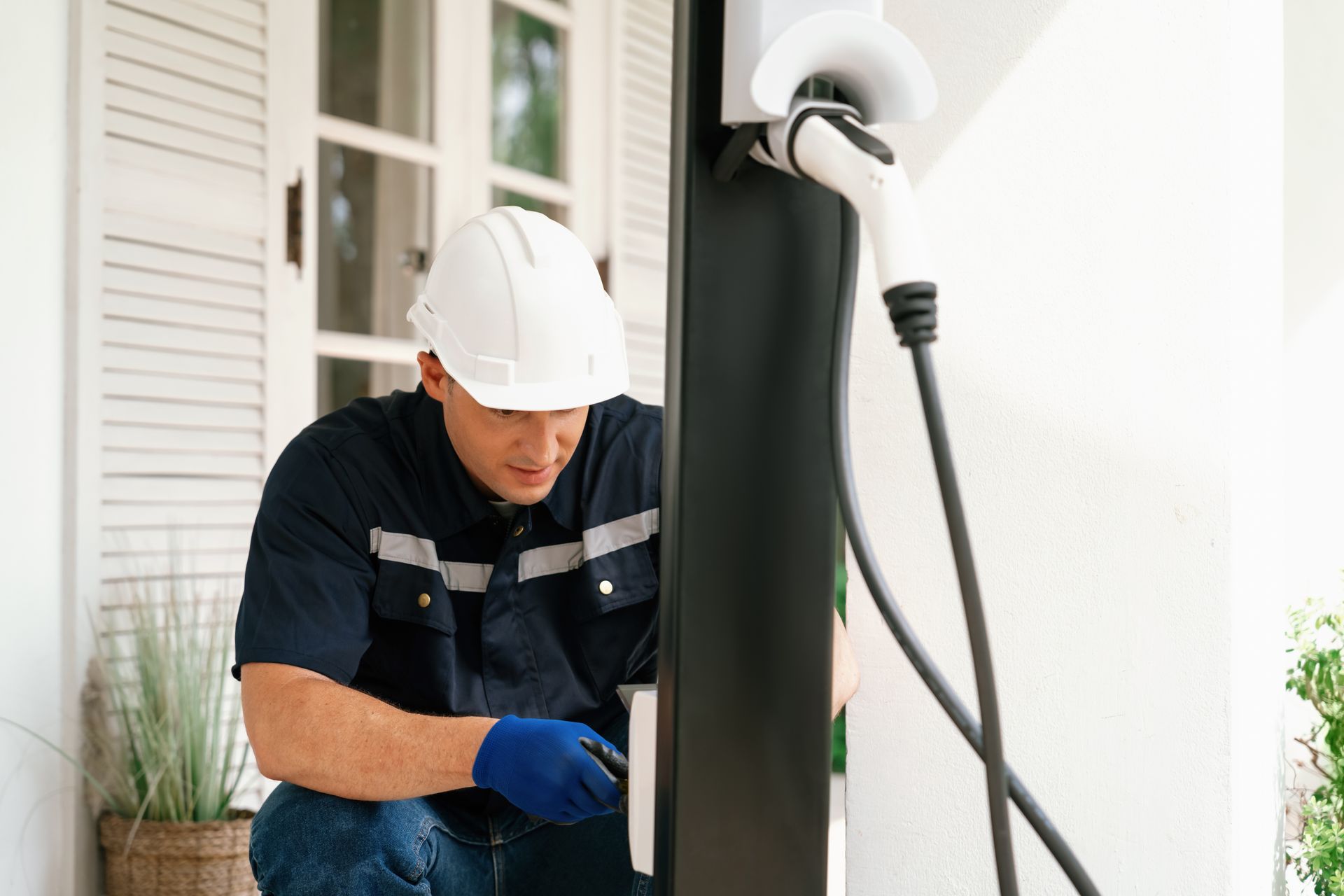
Modern Level 2 chargers are specifically designed for outdoor use.
They can safely operate in:
- Snow
- Ice
- Freezing rain
- Frost
- Wind
- Sub-freezing temperatures
Quality outdoor chargers are engineered for year-round performance in a wide variety of climates.
Simply make sure your charger is installed by a qualified professional and rated for outdoor installation.
Should I Plug In Every Night?
For most homeowners, yes.
Keeping your vehicle plugged in allows the battery management system to maintain optimal battery temperature while preparing for your next drive.
Many manufacturers recommend regular charging rather than allowing the battery to remain at very low charge levels during extremely cold weather.
Following your vehicle manufacturer’s charging recommendations helps maximize battery longevity.
Winter Charging Tips
You can maximize charging performance during cold weather by following a few simple recommendations.
Charge Overnight
Allow your vehicle to remain plugged in overnight whenever possible.
Use Scheduled Departure
Many EVs allow you to schedule departure times so the battery and cabin are warmed before you leave.
Keep the Battery Warm
A plugged-in vehicle can better maintain optimal battery temperature.
Park in a Garage If Possible
Even an unheated garage can reduce temperature extremes compared to parking completely outdoors.
Preheat While Plugged In
This helps preserve battery range for driving rather than heating the cabin.
Maintain Proper Tire Pressure
Cold temperatures reduce tire pressure, which can also affect driving efficiency.
What Is Battery Preconditioning?
Many modern EVs include a feature called battery preconditioning.
Before charging—or before driving—the vehicle warms the battery to improve efficiency.
Benefits include:
-
Faster charging
-
Better battery performance
-
Improved driving range
-
Better regenerative braking
-
More consistent vehicle performance
Many vehicles automatically perform this process when navigating to a DC fast charger or before scheduled departure times.
Should I Preheat My Vehicle?
Yes.
One of the easiest ways to improve winter efficiency is to preheat your vehicle while it’s still plugged into your home charger.
When plugged in:
-
Cabin heat comes from the electrical grid instead of the battery.
-
Battery temperature improves.
-
Windshield defrosts before departure.
-
More battery energy remains available for driving.
Many EV owners schedule preconditioning through their vehicle’s mobile app.
Does Cold Weather Damage the Battery?
No.
Modern battery management systems are specifically designed to protect the battery during both hot and cold weather.
Temporary reductions in charging speed or driving range do not indicate battery damage.
The vehicle carefully manages battery temperature to maximize long-term battery health.
Will My Home Charger Work in Freezing Temperatures?
Yes.
Quality Level 2 chargers are designed to operate in a wide range of environmental conditions.
Most premium chargers are built to withstand:
-
Freezing temperatures
-
Snow
-
Ice
-
Rain
-
Humidity
-
Heat
-
UV exposure
Professional installation ensures the charger is properly protected and compliant with local electrical codes.
Does Snow Damage EV Chargers?
No.
Outdoor-rated chargers are built specifically for year-round operation.
However, good maintenance practices include:
-
Keeping excessive snow away from the charger
-
Keeping the charging connector clean
-
Avoiding packed ice around the connector
-
Inspecting cables periodically
These simple habits help maintain reliable charging throughout the winter.
Why Professional Installation Matters
Winter weather places additional demands on any electrical system.
Professional installation ensures:
-
Proper breaker sizing
-
Correct wire sizing
-
Outdoor-rated electrical components
-
Safe grounding
-
Weather-resistant installation
-
NEC compliance
-
Manufacturer warranty protection
Proper installation helps your charging system perform reliably in every season.
Why Homeowners Choose Car Charger Specialists
Unlike general electrical contractors, Car Charger Specialists specializes in EV charging infrastructure.
We provide:
-
Residential EV charger installation
-
Outdoor charging solutions
-
Electrical panel evaluations
-
Hardwired charger installation
-
NEMA 14-50 outlet installation
-
Smart charging systems
-
Electrical upgrades
-
Commercial EV charging
Whether you’re charging during Georgia’s mild winters or planning for colder climates, we’ll help you install a charging system designed for dependable year-round performance.
30+ Years of experience
Licensed & Trusted by thousands
Frequently Asked Questions
Does cold weather permanently reduce EV battery capacity?
No. Cold temperatures temporarily affect battery performance, but normal performance returns as the battery warms.
Is it safe to charge my EV outside during winter?
Yes. Outdoor-rated EV chargers are specifically designed for year-round operation in snow, rain, and freezing temperatures.
Should I leave my EV plugged in overnight?
For most homeowners, yes. Regular overnight charging helps maintain battery temperature and ensures your vehicle is ready each morning.
Does charging take longer in cold weather?
It can. The battery may temporarily limit charging speed until it reaches its ideal operating temperature.
Is a Level 2 charger better during winter?
Absolutely. A Level 2 charger allows overnight charging and supports battery preconditioning, making winter EV ownership significantly more convenient.
Schedule Your Home EV Charger Installation
Cold weather shouldn’t prevent you from enjoying the convenience of electric vehicle ownership.
With a professionally installed Level 2 charging system, you’ll enjoy reliable overnight charging, improved winter convenience, and dependable performance throughout every season.
At Car Charger Specialists, we’ll evaluate your home’s electrical system, recommend the right charger, and install a charging solution designed for safe, year-round operation.
Contact Car Charger Specialists today to schedule your EV charger consultation and enjoy fast, reliable home charging no matter what the weather brings.
