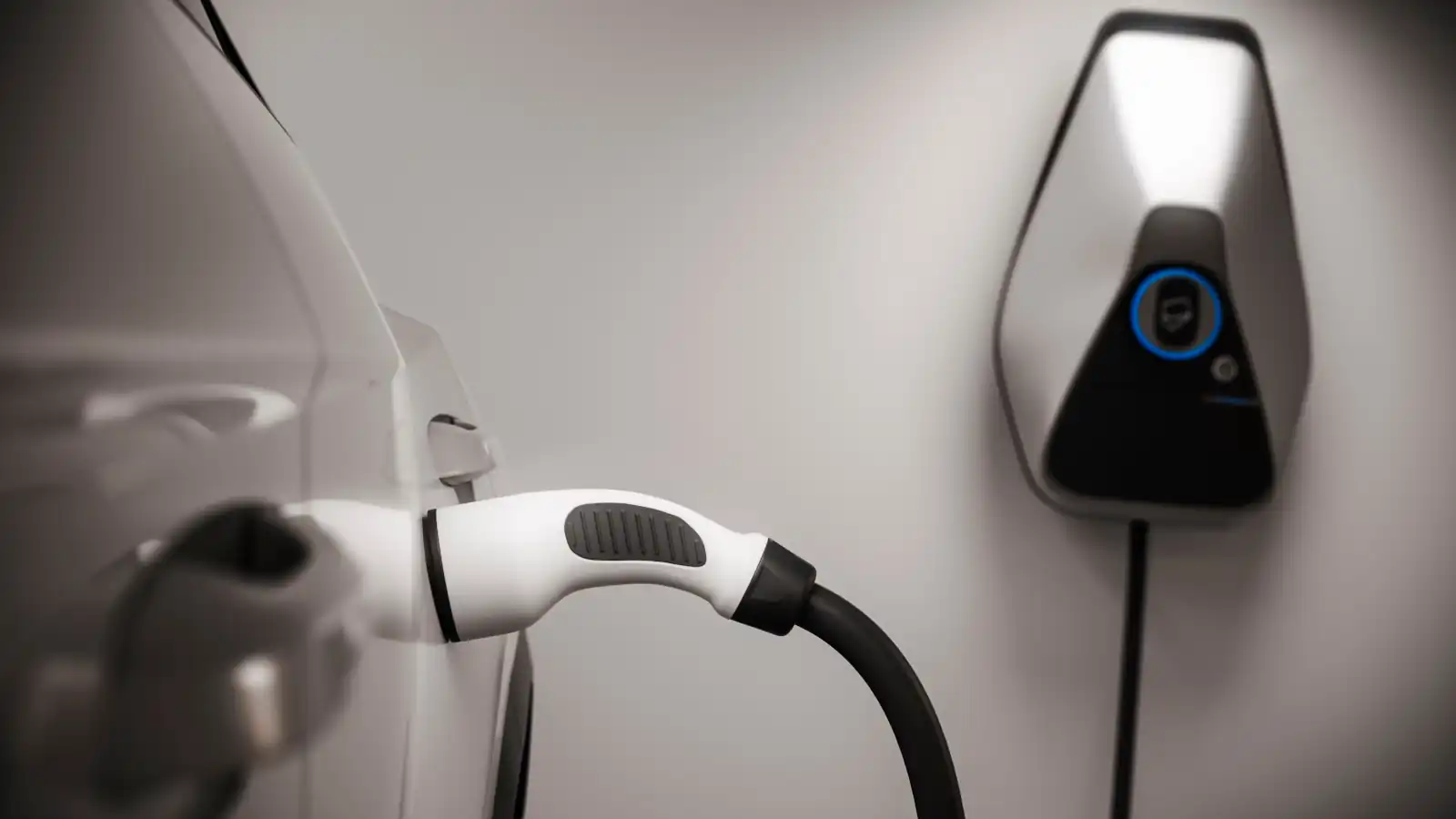
How EV Batteries Charge
Understand how electricity moves from the charging station into your EV battery, how AC and DC charging differ, and what happens during an EV charging session.
Schedule Your Free Consultation!
What Happens When You Charge an EV?
When you plug an electric vehicle into a charging station, electricity travels from the electrical grid through the charging equipment and into the vehicle’s battery. Unlike a gas-powered vehicle, an EV stores energy in a rechargeable battery rather than a fuel tank.
The charging process involves several components working together, including the charging station, vehicle charging port, onboard charger, battery management system, and high-voltage battery pack.
How quickly an EV charges depends on several factors, including the type of charger, the vehicle’s maximum charging capability, the battery’s state of charge, and battery temperature.
How EV Charging Works
The charging process begins when you connect your EV to a compatible charging station. The vehicle and charger communicate with each other to determine how much power can safely be delivered.
With Level 1 and Level 2 AC charging, electricity from the grid enters the vehicle as alternating current (AC). The EV’s onboard charger converts that AC electricity into direct current (DC), which the battery can store.
With Level 3 DC fast charging, the conversion happens inside the charging station instead. The charger sends DC electricity directly to the battery, allowing significantly more power to reach the vehicle.
Throughout the process, the vehicle’s battery management system monitors conditions such as voltage, current, and temperature to help keep charging within safe operating limits.
What Happens Inside an EV Battery?
An EV battery contains thousands of individual battery cells grouped into modules and larger battery packs. Most modern EVs use lithium-ion battery technology.
When an EV charges, electrical energy causes lithium ions to move within the battery from one electrode to another. This electrochemical process stores the incoming energy so it can later be used to power the vehicle.
When you drive, the process reverses. Energy stored in the battery is converted into electricity that powers the vehicle’s electric motor.
The battery management system continuously monitors the cells and helps balance their performance, regulate temperature, and manage charging and discharging.
What Affects EV Charging Speed?
Several factors determine how quickly an EV battery charges:
- Charger power: A Level 3 DC fast charger can deliver much more power than a Level 1 or Level 2 charger.
- Vehicle charging capability: The vehicle has a maximum charging rate that can limit how much power it accepts.
- Battery state of charge: Charging typically slows as the battery approaches a high state of charge.
- Battery temperature: Extremely hot or cold batteries may charge more slowly while the vehicle manages temperature.
- Electrical infrastructure: Available electrical capacity can limit the power a charging installation can provide.
- Charging equipment: The charger and vehicle must be compatible and capable of communicating with each other.
Because of these variables, a charger advertised at a specific power level does not necessarily mean an EV will charge at that exact rate throughout the entire session.
AC Charging vs. DC Charging
The biggest difference between AC and DC charging is where the electricity is converted.
| AC Charging | DC Charging |
|---|---|
| Uses alternating current | Uses direct current |
| Common with Level 1 and Level 2 | Used by Level 3 DC fast chargers |
| Vehicle’s onboard charger converts AC to DC | Charging station converts AC to DC |
| Generally slower | Generally much faster |
| Common for homes and workplaces | Common for public and commercial charging |
AC charging is typically well suited for overnight and workplace charging because vehicles can remain connected for several hours.
DC fast charging is designed for situations where drivers need to add substantial range quickly.
Is Fast Charging Bad for EV Batteries?
Fast charging does not automatically damage an EV battery. Modern electric vehicles are designed with battery management systems that regulate charging and help protect the battery from excessive heat, voltage, and current.
However, charging speed can affect how much heat the battery generates, and EV manufacturers may recommend using slower AC charging for routine charging when practical.
The vehicle controls the charging process, meaning you cannot simply force a battery to accept more power than it is designed to handle. Charging rates can also decrease automatically as the battery becomes fuller.
For most EV owners, the best approach is to follow the manufacturer’s charging recommendations and use the type of charging that fits their driving needs.
30+ Years of experience
Licensed & Trusted by thousands
How EV Batteries Charge FAQs
How does an EV battery get charged?
Electricity from the grid is delivered to the vehicle through charging equipment. With AC charging, the vehicle’s onboard charger converts the electricity into DC power for the battery. With DC fast charging, the charging station performs the conversion before sending DC electricity directly to the battery.
Does an EV charger charge the battery directly?
It depends on the type of charger. Level 1 and Level 2 chargers provide AC electricity that is converted by the vehicle’s onboard charger. Level 3 DC fast chargers convert electricity within the charging station and deliver DC power directly to the battery.
Why does EV charging slow down near 100%?
An EV typically reduces its charging rate as the battery approaches a high state of charge. This helps manage battery temperature and electrical conditions and protects the battery as it reaches full capacity.
Can you overcharge an EV battery?
Modern EVs have battery management systems designed to prevent conventional overcharging. Once the battery reaches its charging limit, the vehicle regulates or stops the charging process.
What is the best way to charge an EV battery?
The best charging method depends on your vehicle and driving habits. For routine home charging, Level 1 or Level 2 may be appropriate. DC fast charging is useful when you need to add range quickly. Always follow the charging recommendations provided by your vehicle manufacturer.
How EV Batteries Charge: The Bottom Line
EV charging is a controlled process involving the electrical grid, charging equipment, the vehicle’s onboard systems, and the battery management system. Whether you’re using a standard household outlet, a Level 2 home charger, or a Level 3 DC fast charger, the goal is the same: safely transfer electrical energy into the vehicle’s battery.
Understanding how EV batteries charge can help you choose the right charging solution for your vehicle and your daily driving needs. If you’re considering installing EV charging equipment at your home or business, Car Charger Specialists can help you determine what type of system is right for your property.