Tesla Charging Standards Explained
Learn how Tesla’s charging connectors and protocols work, what changed with the North American Charging Standard (NACS), and how to choose the right setup for reliable, fast charging.
Schedule Your Free Consultation!
What Are Tesla Charging Standards?
Tesla pioneered a streamlined connector and communication protocol that it opened to the industry as the North American Charging Standard (NACS). In North America, newer Tesla vehicles use NACS for both AC and DC charging through the same compact plug. Many non-Tesla automakers are now adopting NACS, while older networks still rely on CCS or CHAdeMO in some cases.
Home and Destination Charging with Tesla
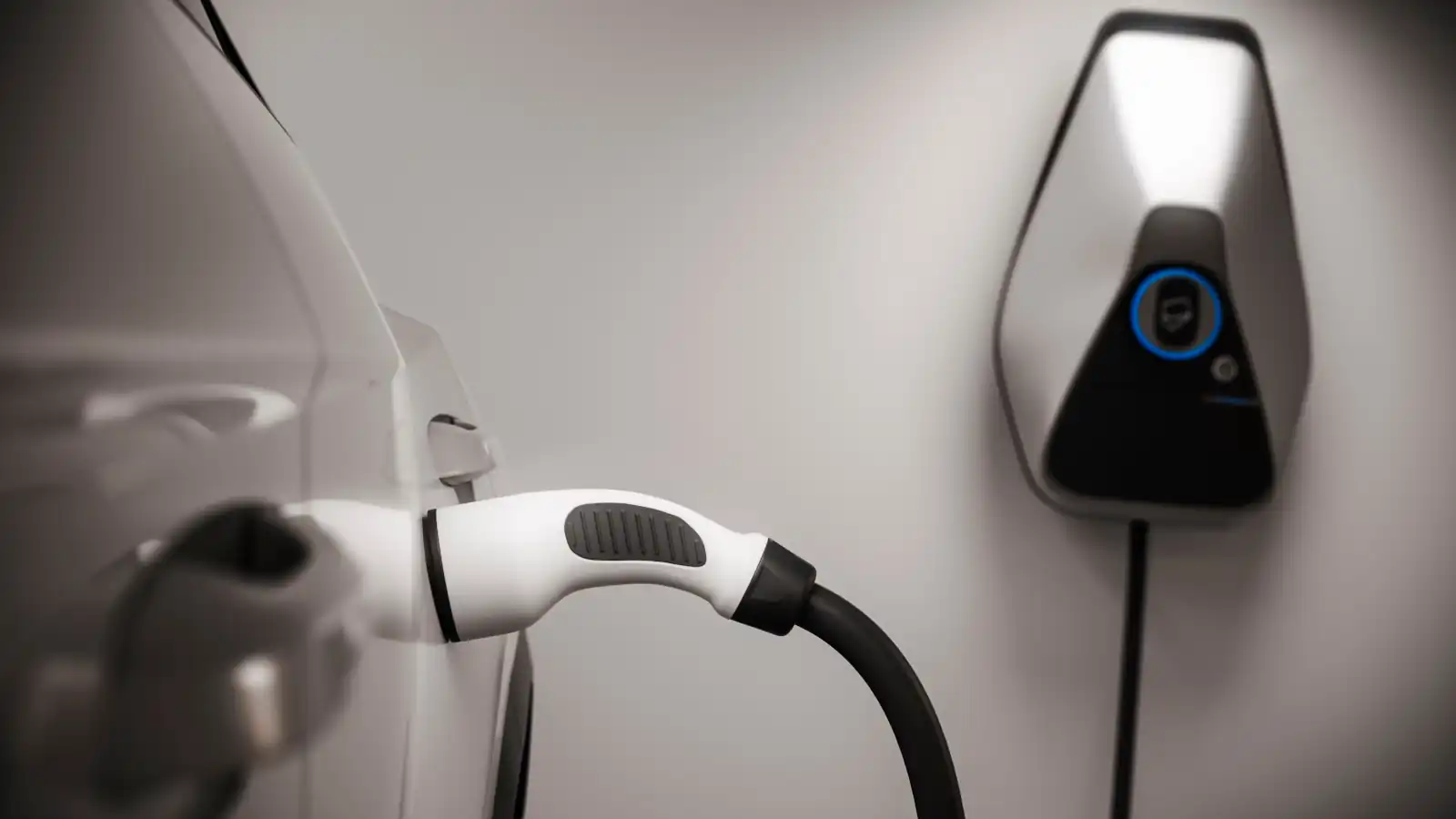
Tesla vehicles typically use Level 1 and Level 2 AC charging at home or at destination locations. With NACS, the same connector handles AC charging, making installation clean and user-friendly.
When you plug into a Tesla Wall Connector or a compatible NACS charger, the vehicle and charger communicate to set a safe amperage, then the onboard charger converts AC to DC for the battery. Proper circuit sizing and load management ensure consistent performance.
Level 2 AC is ideal for overnight replenishment, typically restoring the daily commute with time to spare. Car Charger Specialists designs right-sized home installations that balance speed, panel capacity, and future EV additions.
Common Tesla AC Charging Options
- Level 1: Standard 120V outlet with a Mobile Connector for slow, emergency top-ups.
- Level 2: 240V circuit with a Tesla Wall Connector or NACS-compatible charger for fast, everyday charging.
- Home charging: Most Tesla owners rely on Level 2 with load-sharing or power management for multi-EV homes.
Tesla Supercharging and DC Fast Charging
Tesla’s Supercharger network delivers DC power directly to the battery through the NACS connector, enabling rapid charging without using the onboard AC charger.
Because conversion and power control happen in the charger cabinet, Superchargers can deliver high kilowatt levels for quick range recovery. Charging speeds taper as the battery fills or when pack temperatures require protection.
Tesla owners primarily use public fast-charging on road trips or when time-constrained. With growing NACS adoption, more third-party stations will offer seamless DC fast charging to Tesla vehicles via native plugs or certified adapters.
Choosing the Right Setup for Tesla Charging
Different standards and use cases call for different solutions. Car Charger Specialists helps you match hardware, adapters, and electrical capacity to your driving habits.
| Home AC (NACS) | Public DC (Supercharger/CCS via NACS) |
|---|---|
| Best for daily, predictable charging | Best for fast top-ups on trips |
| Lower power, battery-friendly | High power, short stops |
| Level 1 or Level 2 with Wall Connector | Supercharger (NACS) or CCS with approved adapter |
| Great for overnight and multi-EV scheduling | Ideal for highways and long-distance travel |
| Lower equipment and installation cost | Higher station infrastructure cost |
For most owners, a professionally installed NACS Level 2 charger at home covers the majority of charging needs. For long trips or tight schedules, Supercharging or compatible DC fast charging provides rapid range when you need it.
Do Tesla Charging Standards Affect Battery Health?
Tesla vehicles manage charging using advanced battery management systems that follow the brand’s charging standards, adapting power based on temperature, state of charge, and cell balancing needs. When used as intended, Tesla’s Supercharging and AC charging protocols work to protect long-term battery performance.
That said, repeated high-rate DC sessions can add more thermal and electrochemical stress than slower AC charging. For daily use, Tesla recommends home Level 2 AC charging via NACS-compatible equipment and reserving Supercharging (DC fast charging) for road trips or time-sensitive top-ups. Car Charger Specialists can help you configure charging to align with Tesla’s guidance.
30+ Years of experience
Licensed & Trusted by thousands
Tesla Charging Standards FAQs
What standard does Tesla use for charging?
In North America, Tesla uses the North American Charging Standard (NACS) for both AC Level 1/Level 2 and DC fast charging via Superchargers. Many automakers and networks are adopting NACS, expanding compatibility and access.
Can Teslas use CCS chargers?
With the appropriate adapter and vehicle compatibility, many Tesla models can use CCS fast charging stations. Check your vehicle’s build year and software, and use approved adapters to ensure safe, reliable charging.
Is Supercharging the same as Level 3?
Tesla Supercharging is DC fast charging comparable to Level 3. Power levels vary by site (V2, V3, and newer hardware). Unlike AC charging, DC power bypasses the onboard charger and feeds the battery directly under strict thermal and voltage controls.
Can I charge a Tesla with standard home AC power?
Yes. Teslas charge on AC at home using NACS connectors with Level 1 (120V) or Level 2 (240V) equipment. Level 2 is recommended for routine charging due to faster, more efficient overnight replenishment.
Are Supercharger sessions more expensive than home charging?
Generally, yes. DC fast charging often costs more per kWh than home AC electricity. Pricing depends on location, time-of-use rates, and network policies. Home Level 2 charging remains the most cost-effective daily strategy for most Tesla owners.
Tesla Charging: Key Takeaways
Use Level 2 AC at home for daily needs, and rely on Supercharging for speed when traveling. Following Tesla charging standards—NACS for home and public stations, and DC fast charging through Superchargers—helps balance convenience, cost, and battery longevity.
Understanding Tesla’s ecosystem also clarifies how Level 1, Level 2, and DC fast charging work together, what adapters you may need for CCS sites, and how evolving network support for NACS improves access for current and future EVs.