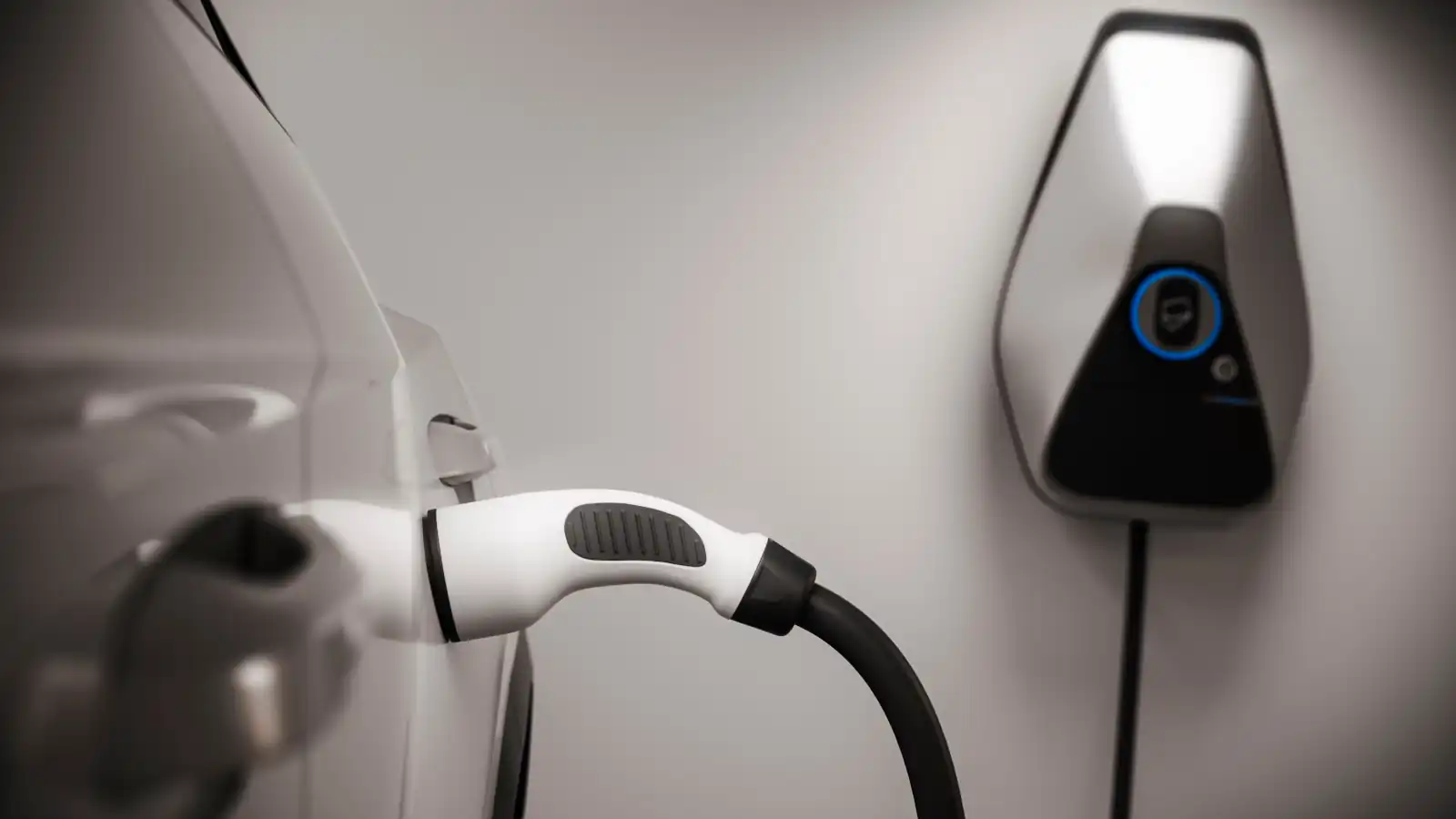
Types of EV Chargers
Explore the main charger categories—Level 1, Level 2, and DC fast charging—how each works, and which type fits your driving habits, home setup, and budget.
Schedule Your Free Consultation!
Overview: Levels of EV Charging
EV chargers are grouped by power level and how electricity is delivered to your battery. Level 1 and Level 2 chargers provide AC power that your vehicle converts to DC internally. DC fast chargers convert power to DC inside the station itself and feed it straight to the battery. As a result, Level 1 is the slowest, Level 2 is the everyday workhorse for homes and workplaces, and DC fast charging offers rapid top-ups on the go.
Level 1 and Level 2 (AC) Chargers
AC charging includes Level 1 and Level 2 chargers, which are the most common options for residential and light commercial use.
With AC charging, power flows to your EV’s onboard charger, which handles the conversion to DC before storing energy in the battery. Level 1 uses a standard household outlet, while Level 2 relies on a dedicated 240V circuit for faster replenishment.
While AC charging isn’t the fastest, it aligns perfectly with daily routines—especially overnight—making Level 2 a convenient, cost-effective solution for most drivers and properties managed by Car Charger Specialists.
Popular AC Charger Setups
- Level 1: Plugs into a typical 120V outlet; best for low daily mileage or backup charging.
- Level 2: Uses a 240V circuit; adds significantly more miles per hour and suits most homeowners.
- Home charging: Most residential installations use Level 2 for reliable overnight charging.
DC Fast Chargers
DC stations—often called DC fast charging—deliver direct current to the battery, bypassing the vehicle’s onboard AC charger to achieve much higher power output.
Because conversion happens inside the station, these chargers provide rapid range in a short stop, making them ideal for fleets, highway corridors, and drivers who need quick turnarounds.
DC fast charging is most commonly deployed at public charging stations and high-traffic commercial sites where speed and uptime are critical.
Choosing the Right Charger Type
The best option depends on your daily miles, parking routine, and electrical capacity.
| Level 1 | Level 2 | DC Fast |
|---|---|---|
| Simple, uses 120V outlet | Dedicated 240V circuit | High-power commercial equipment |
| Slowest charging speed | Faster daily charging | Fastest for road trips |
| Good for low mileage | Best for most homes | Best for quick public stops |
| Lowest cost, minimal install | Moderate cost, pro install | Highest cost, complex install |
For everyday use, Level 2 is the sweet spot for homeowners who want dependable overnight charging. When you’re traveling or need rapid range, DC fast charging delivers the speed to keep you moving. Car Charger Specialists can assess your goals and design the right solution.
Do Different Charger Types Affect Battery Health?
Each type of EV charger interacts with your battery in a unique way, and modern vehicles manage this intelligently. Advanced battery management systems regulate charge rates, temperature, and voltage to protect the pack whether you plug into Level 1, Level 2, or a DC fast charger.
That said, high-power sessions deliver the most heat and can contribute to faster wear if used constantly. For daily driving, Level 2 charging at home or work offers a healthy balance of speed and longevity, while DC fast charging is ideal for road trips or quick top-ups. Car Charger Specialists can help you choose and install the right mix for your routine.
30+ Years of experience
Licensed & Trusted by thousands
Types of EV Chargers: FAQs
Which charger type is best for daily use?
For most drivers, Level 2 is the sweet spot. It provides 240V charging at home or work, adding substantial range overnight or during the day without the cost or infrastructure of DC fast charging.
Is Level 2 AC or DC?
Level 2 charging uses AC electricity. Your EV’s onboard charger converts that AC into DC to store energy in the battery, typically delivering 3.3–19.2 kW depending on the vehicle and circuit.
Is Level 3 charging AC or DC?
Level 3 refers to DC fast charging. The station performs the AC-to-DC conversion and delivers high-power DC straight to the battery, enabling rapid charging on compatible vehicles.
Can my EV use more than one charger type?
Yes. Nearly all EVs support Level 1 and Level 2 AC charging, and many also support DC fast charging through a dedicated port. Actual speeds depend on your vehicle’s maximum acceptance rate and the station’s output.
Are faster chargers always more expensive to use?
DC fast charging usually costs more per kWh or session than home Level 2 charging due to higher infrastructure and demand costs. Pricing varies by network, time of day, and local utility rates. Car Charger Specialists can help you estimate costs and select the most economical setup.
Selecting the Right EV Charger: Key Takeaways
Level 1 works in a pinch, Level 2 fits daily life, and DC fast charging delivers speed when you need it. Most owners choose a professionally installed Level 2 unit at home and rely on public DC fast chargers for longer trips. Car Charger Specialists designs installations aligned with your driving habits and panel capacity.
Knowing the differences among Level 1, Level 2, and Level 3 charging—plus connector options like J1772, CCS, NACS, and CHAdeMO—helps you plan smarter charging and avoid bottlenecks as your needs evolve.