
How Many EV Chargers Does Forsyth County Have?
Wondering how many public EV chargers are available in Forsyth County? Drivers, property managers, and planners alike are asking the same question as EV registrations climb each quarter. This page compiles a clear snapshot of charger counts, where they’re concentrated, and the mix of Level 2 versus DC fast options across the county—plus what that means for day‑to‑day charging. Car Charger Specialists tracks regional infrastructure trends so you can understand availability today and how coverage is evolving.


5.0 Stars
832 Reviews
Forsyth County Charger Totals at a Glance
Based on mapping platforms, utility filings, and public network data reviewed by Car Charger Specialists, Forsyth County has a modest but growing public network. While exact figures shift as sites open or upgrade, the current landscape looks like this:
- Level 2 public ports – The majority of public access charging in the county is Level 2, with dozens of ports spread across retail centers, parks, government facilities, and hospitality sites. These are best for 1–3 hour top‑ups.
- DC fast charging ports – A smaller but expanding set of high‑power ports is clustered near major corridors and high‑traffic retail. These enable 15–45 minute sessions for through‑travel and quick turnarounds.
- Connector mix – CCS dominates new fast‑charge installations, with limited remaining CHAdeMO support; NACS (Tesla) compatibility is increasing via adapters and new hardware commitments.
- Port count vs. station count – A single station can host multiple ports. Availability depends on total ports, power per port, and uptime—not just the number of sites.
Where Chargers Are Located Across the County
Knowing the count is helpful, but distribution determines real‑world convenience.
- Cumming core – Most Level 2 ports are concentrated around central Cumming, shopping plazas, and municipal facilities where vehicles dwell for several hours.
- Highway and commuter corridors – DC fast chargers are primarily positioned along key routes and near interchange retail hubs to support fast turnarounds and regional travel.
- Retail clusters – Supermarkets, lifestyle centers, and big‑box anchors often host multiple Level 2 ports, creating site clustering that improves odds of finding an open plug during the day.
For trip planning, drivers should check port‑level status rather than station pins alone; two neighboring sites with four ports each generally offer better odds than a single eight‑port site if one operator is experiencing reduced uptime.

Utilization, Peak Times, and Real Availability
Raw counts don’t tell the whole story. Car Charger Specialists analyzes utilization patterns to show when and where chargers are actually available.
1. Weekday vs. Weekend Demand
On weekdays, Level 2 ports near offices and civic buildings see longer dwell times, peaking mid‑morning and early afternoon. Weekend demand shifts to shopping districts and park‑adjacent lots.
- Workday dwell and turnover rates can reduce practical availability despite adequate port counts.
- Weekend retail surges raise queue risk at smaller sites with only 2–4 ports.
- Fast‑charge nodes near corridors see brief but frequent sessions during commuter peaks.
Drivers can improve reliability by favoring sites with higher port density and redundant operators in the same node.
2. Power, Uptime, and Connector Type
Availability hinges on more than a pin on the map:
- Port power affects turnover; 150 kW+ ports move more drivers per hour than 50 kW units.
- Network uptime and maintenance practices directly influence successful sessions.
- Connector support (CCS, NACS, legacy CHAdeMO) impacts usable supply for your vehicle.
Car Charger Specialists recommends tracking both station count and live port status to gauge true access in Forsyth County.
3. Growth vs. EV Registrations
EV registrations are outpacing the addition of new public ports in some pockets. While annual growth in Level 2 and DC fast sites continues, charger density per EV varies by neighborhood. Monitoring this ratio helps forecast where queues may appear next.
Gaps by Housing Type and Commute Patterns
Public charging needs differ by where residents live and how they travel each day:
- Multifamily properties – Apartment and condo communities show the largest gap in overnight Level 2 access. Limited on‑site options push residents to rely on public ports, increasing pressure at retail‑hosted sites.
- Workplace coverage – Office parks with few Level 2 ports see vehicles competing for day‑long charging, reducing turnover. Moderate shared‑power installations can significantly ease demand on public assets.
In many cases, retail‑centric clusters shoulder both commuter top‑ups and weekend traffic, leading to predictable congestion windows. A balanced mix of workplace and multifamily charging would improve overall availability without requiring excessive new fast‑charge deployment.
What’s Next: Projects and How Coverage Could Change
Planned investments—ranging from utility make‑ready programs to corridor grants—are set to add both Level 2 and DC fast capacity. Expect:
- Additional DC fast hubs near major interchanges to support through‑travel and reduce peak queues.
- New Level 2 ports added at retail centers and municipal sites to raise charger density where drivers already park.
- Connector evolution as networks expand CCS and NACS support, while phasing down CHAdeMO over time.
For property owners evaluating how their sites fit into Forsyth County’s count and coverage, Car Charger Specialists can map nearby infrastructure, assess charger density and port power, and recommend right‑sized additions that complement public supply without duplicating it.
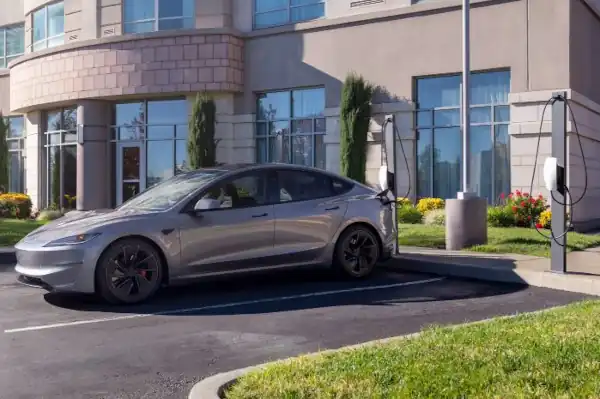
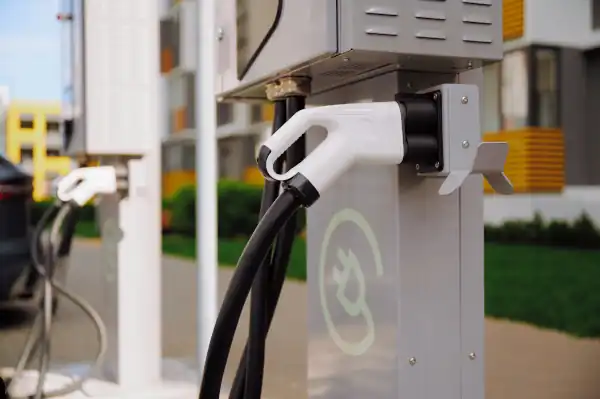
Charger Counts Depend on Networks, Ports, and Real-Time Management
When asking how many EV chargers Forsyth County has, it’s important to distinguish stations from ports and to consider network visibility. Public maps typically report networked chargers, meaning sites with software-connected stations are more likely to be counted accurately.
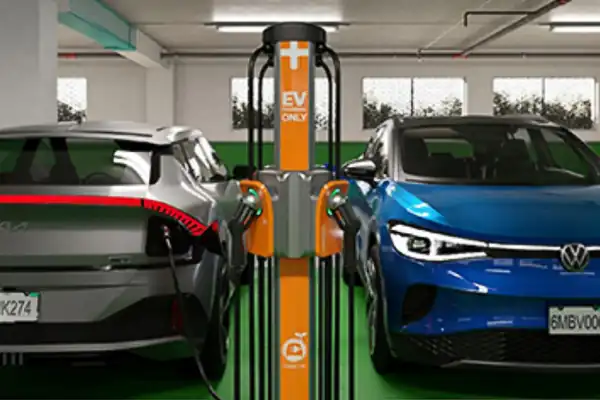
- Port vs. station: A site may list 4 stations but offer 8 charging ports, which affects true capacity
- Access rules: Some ports are public 24/7, others are restricted to tenants, employees, or fleets
- Uptime and monitoring: Networked sites report availability, helping separate active chargers from out-of-service hardware
- Driver apps: Real-time status on Level 2 and DC fast chargers makes it easier to locate open ports and understand true coverage
Counting chargers with these factors in mind gives a more accurate picture of Forsyth County’s usable infrastructure and helps Car Charger Specialists advise on where added capacity is most needed.
"Stellar service! Free estimate over a zoom call, scheduled install within two days of invoice approval. Super-skilled electricians showed up exactly on time and finished up in less than 30min. Thrilled to take my first steps into the EV world and got oodles of great advice from this team. Definitely recommended!"
- Marietta Engel
What Customers Are Saying
"Car Charger Specialists did an amazing job installing our Tesla charger. They were responsive, professional, and worked quickly. Everything was explained clearly, the install looks clean, and the charger works perfectly. We’re really happy with the quality of their work and would absolutely recommend them to anyone needing an EV charger installed."
- Jacob C.
"I had a great experience with installation of the plug for my level 2 charger. Communication was prompt and clear, Lee was on time, friendly, and completed the work quickly. They also can work directly with Duke for the NC EV charger installation credit so you don’t have to send in any paperwork yourself."
- Katie Hoagland
Understanding Counts, Connectors, and What’s Next
Forsyth County’s total includes both Level 2 and DC fast ports, with a mix of CCS, NACS, and some remaining CHAdeMO connectors. As new projects roll out, published counts can lag behind what drivers actually experience on the ground.
- Level 2 ports are concentrated near retail corridors and workplaces; DC fast sites cluster along GA‑400 and key travel routes
- Peak demand rises on weekends and early evenings; port availability is typically better weekday mornings
- Upcoming sites and upgrades may add ports rather than whole stations, boosting capacity without adding new map pins
Car Charger Specialists tracks local network data and planned deployments to provide an up‑to‑date view of how many public chargers are active, where they’re clustered, and which connector types are expanding—so drivers and property owners can plan with confidence.
How Many Public Chargers Are in Forsyth County?
Drivers often ask for a clear count, but the most useful snapshot looks at both quantity and capability. When evaluating Forsyth County’s network, focus on:
- Roughly how many total public ports are available countywide today, and the split between Level 2 and DC fast charging
- Connector coverage—CCS, NACS (Tesla), and limited CHAdeMO—and how multi‑port sites affect real availability
- Where chargers cluster (Cumming, GA‑400 interchanges, retail centers) versus underserved gaps near apartments and workplaces
- Utilization patterns, including evening and weekend peaks, charger uptime, and how growth in EV registrations compares to new site builds
Understanding these factors provides a realistic picture of access across Forsyth County—what’s convenient today, when drivers may face queues, and where added infrastructure will make the biggest impact. Read about Commercial EV Chargers Cumming.
Our Service Area
Car Charger Specialists proudly provides professional commercial and residential EV charger installation throughout North Georgia, serving families and businesses in Alpharetta, Atlanta, Berkeley Lake, Braselton, Brookhaven, Buckhead, Buford, Chamblee, Cumming, Decatur, Duluth, Dunwoody, Flowery Branch, Gainesville, Grayson, Johns Creek, Lawrenceville, Lilburn, Loganville, Milton, Peachtree Corners, Sandy Springs, Smyrna, Snellville, Sugar Hill, Suwanee, and Vinings.
If your property is located in or around these Georgia communities, Car Charger Specialists is ready to help you power the future of transportation with reliable commercial EV charging solutions.
