
EV Charging in Forsyth County: Home vs Public Infrastructure
EV ownership is growing quickly across Forsyth County, and drivers are weighing whether most of their charging should happen at home or on the public network. The right answer depends on your daily miles, dwell time, budget, and how fast you need to refill. This guide from Car Charger Specialists compares home charging and public infrastructure so you can build a reliable, cost‑effective plan tailored to Forsyth County’s driving patterns and electric rates.


5.0 Stars
830 Reviews
Home vs Public Charging: What Matters for Forsyth County Drivers
Your ideal mix of home and public charging should reflect how you actually use your vehicle. For most local trips around Cumming, Alpharetta, and Lake Lanier, overnight home charging covers daily needs, while public options fill occasional gaps:
- Match charging to your routine – If you park at home most nights, Level 2 home charging turns downtime into reliable range. If you commute long distances or rideshare, supplement with DC fast charging on busy days.
- Optimize dwell time – Shopping, dining, and gym stops are perfect for Level 2 public chargers, adding meaningful miles while you’re already parked.
- Control total cost of ownership – Home charging on off‑peak or time‑of‑use rates is usually the lowest cost per kWh; public DC fast charging trades higher price for speed when you need it.
- Support apartment and fleet needs – Multifamily residents may rely on workplace or public charging; local fleets often blend depot Level 2 with strategic public DCFC for route coverage.
- Reduce range anxiety with a plan – A home base plus familiarity with key public sites on GA‑400 and major corridors keeps you confident on busy weeks and road trips.
Charging Speeds in Context: Level 1, Level 2, and DC Fast
Understanding charge speed helps you choose when to plug in and where.
- Level 1 charging uses a standard 120‑volt outlet and typically adds 3–5 miles of range per hour. It can work for short daily mileage or as a backup, but it’s too slow for most Forsyth County commuters.
- Level 2 charging runs on 208–240 volts and commonly delivers 20–40+ miles of range per hour depending on the vehicle and charger kW. It’s ideal for overnight home use and for public destinations where you’ll park for a few hours.
- DC fast charging (DCFC) provides high‑power direct current, adding 150–250+ miles per hour on capable vehicles. It’s best for road trips, high‑mileage days, and time‑sensitive needs, but costs more per kWh.
Most Forsyth County drivers pair a Level 2 home charger for daily reliability with selective DC fast charging when schedules are tight or travel extends beyond normal routines. Read about Tesla Home Charger

Planning Home Charging and Using Public Stations Wisely
Setting up home charging safely and learning the local public network ensures you always have the range you need.
1. Home Assessment and Electrical Capacity
A professional review checks:
- Main service and panel capacity for continuous EV loads
- Feeder distance to your parking location or garage wall
- Options like a NEMA 14‑50 receptacle vs a hardwired Level 2 charger
This determines whether your home can support a 40–60A circuit today, if load management will help, or whether a panel or service upgrade is smart for future vehicles.
2. Charger Selection and Layout at Home
Once capacity is clear, choose equipment and placement that fit your lifestyle:
- Select charger power (e.g., 7.7 kW to 11.5 kW) based on daily miles and overnight dwell time
- Mount near the parking spot for short, protected cable runs
- Enable smart scheduling to charge during off‑peak or time‑of‑use windows
Thoughtful design makes nightly plug‑ins quick, safe, and consistent.
3. Public Network Basics in Forsyth County
To complement home charging, learn how to navigate public options:
- Apps to locate Level 2 and DCFC along GA‑400 and key retail areas
- Session pricing, idle fees, and membership discounts
- Etiquette and accessibility considerations when stations are busy
Knowing a few reliable public sites near work, school, and travel routes prevents last‑minute scrambles.
4. Safe Installation and Commissioning at Home
Proper setup includes:
- Dedicated circuits sized for continuous duty and GFCI where required
- Correct conductor sizing, outdoor‑rated materials, and secure mounting
- Final testing, Wi‑Fi or cellular setup, and verification of charge rates
With Car Charger Specialists, your home charger is installed to code, commissioned for performance, and ready for everyday use.
Costs, Energy Rates, and Timeframes
Total cost of ownership depends on equipment, installation complexity, and electricity pricing:
- Home Level 2 typically has moderate hardware and installation costs; when paired with time‑of‑use or off‑peak charging, cost per kWh is usually the lowest way to fuel an EV in Forsyth County.
- Public DC fast charging commands higher session prices for speed and convenience; treat it as a strategic add‑on for road trips or tight schedules.
After an assessment and permit approval, most home Level 2 installations are completed in days to a couple of weeks. Planning a smart mix is easiest when you review your monthly miles, utility rates, and local public options with Car Charger Specialists before work begins.
Electrical Readiness and Load Management at Home
Your charging experience is only as dependable as the power behind it. Key considerations include:
- Adequate service and breaker space for continuous EV loads without nuisance trips
- Panels, wiring, and disconnects sized for current needs and future EVs
- Outdoor‑rated conduit and enclosures where the charger is exposed to weather
Smart load management can share capacity across multiple chargers or large appliances, letting you charge reliably without immediate panel or service upgrades. Car Charger Specialists helps you evaluate capacity, prioritize safety, and configure the right mix of home and public charging to minimize costs and eliminate range anxiety.
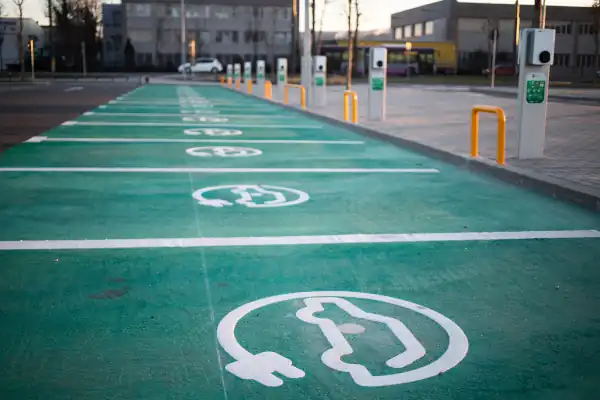
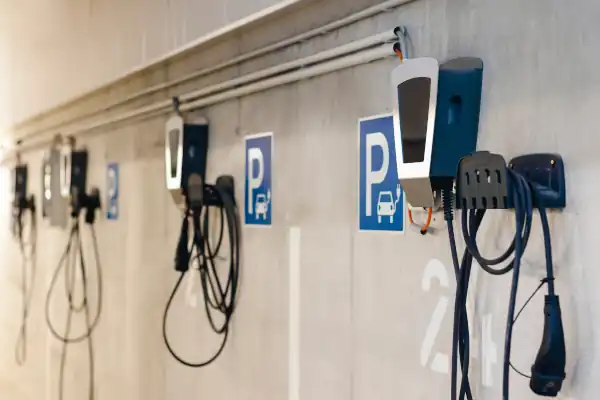
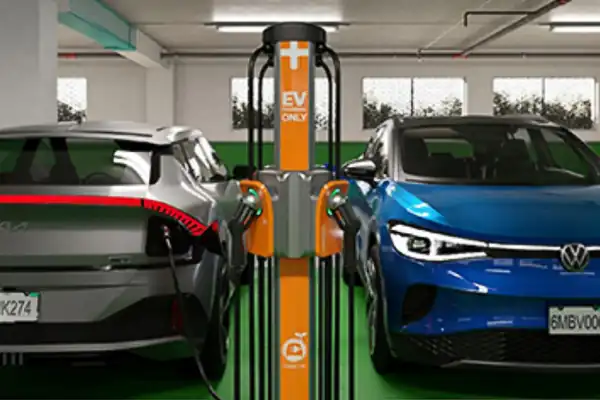
Smart Charging, Pricing, and Network Control in Forsyth County
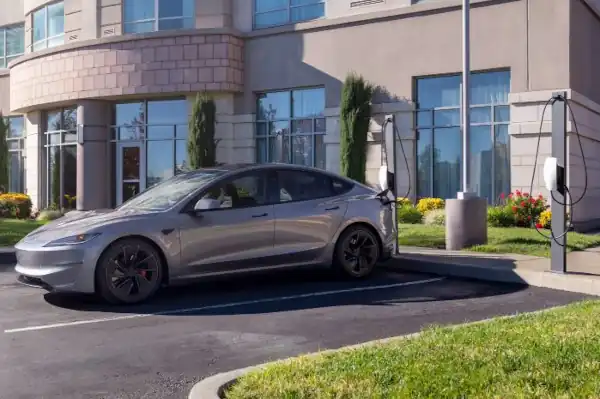
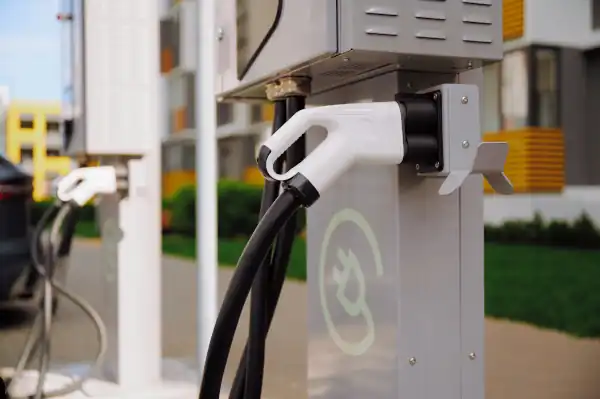
Whether you charge at home in Cumming or plug into a public station along GA‑400, software shapes the experience as much as the plug. For homeowners, smart chargers can schedule overnight sessions to match time‑of‑use rates and track cost per kWh. For public infrastructure, network tools keep stations available, fairly priced, and reliable.
- Automate pricing and payment for public sites, from pay‑as‑you‑go to membership rates
- Control access by driver group: residents, employees, guests, fleets, or the general public
- Watch real‑time uptime, power delivery, and energy consumption to reduce outages
- Offer mobile apps that show live availability, connector types, and session history
Selecting the right platform helps Forsyth County drivers charge with confidence at home and on the road, and it lets property owners and HOAs scale networks as more neighbors switch to EVs. Car Charger Specialists can help you compare options that fit your daily patterns and budget.
What Customers Are Saying
"Stellar service! Free estimate over a zoom call, scheduled install within two days of invoice approval. Super-skilled electricians showed up exactly on time and finished up in less than 30min. Thrilled to take my first steps into the EV world and got oodles of great advice from this team. Definitely recommended!"
- Marietta Engel
"Car Charger Specialists did an amazing job installing our Tesla charger. They were responsive, professional, and worked quickly. Everything was explained clearly, the install looks clean, and the charger works perfectly. We’re really happy with the quality of their work and would absolutely recommend them to anyone needing an EV charger installed."
- Jacob C.
"I had a great experience with installation of the plug for my level 2 charger. Communication was prompt and clear, Lee was on time, friendly, and completed the work quickly. They also can work directly with Duke for the NC EV charger installation credit so you don’t have to send in any paperwork yourself."
- Katie Hoagland
Incentives That Can Offset Installation Costs
The upfront expense of installing EV charging stations can be significant, but many markets offer:
- Federal and state tax credits for qualified alternate‑fuel infrastructure
- Utility rebates for chargers or make‑ready infrastructure
- Grants aimed at expanding public and workplace charging
For Forsyth County homeowners and site owners deciding between home upgrades and public charging buildouts, Car Charger Specialists helps identify the best mix of incentives and time‑of‑use savings, so your total cost of ownership stays low while ensuring dependable charging where you need it most.
Home vs Public Charging: What Fits Your Forsyth County Driving?
Choosing the right mix of home and public EV charging in Forsyth County starts with a clear picture of how you drive and where your vehicle sits idle (dwell time). Consider:
- Your average daily mileage and where the car is parked longest—overnight at home, during the workday, or at retail stops—so you can align Level 1, Level 2, or DC fast charging to real-world routines
- Whether Level 1 (120V) can cover light daily use, if a dedicated Level 2 (240V) at home is needed for reliable overnight refills, or when public DC fast charging is essential for road trips and time-critical top-ups
- Your electrical panel capacity, distance to the parking spot, and readiness for a NEMA 14-50 outlet or hardwired Level 2 installation—plus whether a panel upgrade is prudent for future EVs
- Energy costs and billing preferences: low residential time-of-use rates with smart scheduling at home vs. variable public network pricing and potential session fees
With the right plan, you can cover daily Forsyth County commutes at home for pennies per mile while using public infrastructure strategically when speed or location matters. Car Charger Specialists helps you build a safe, scalable setup that matches your lifestyle and budget.
Our Service Area
Car Charger Specialists proudly provides professional commercial and residential EV charger installation throughout North Georgia, serving families and businesses in Alpharetta, Atlanta, Berkeley Lake, Braselton, Brookhaven, Buckhead, Buford, Chamblee, Cumming, Decatur, Duluth, Dunwoody, Flowery Branch, Gainesville, Grayson, Johns Creek, Lawrenceville, Lilburn, Loganville, Milton, Peachtree Corners, Sandy Springs, Smyrna, Snellville, Sugar Hill, Suwanee, and Vinings.
If your property is located in or around these Georgia communities, Car Charger Specialists is ready to help you power the future of transportation with reliable commercial EV charging solutions.
